 Bavaria
 Itinerary: 7 Days, Castles, Costs & Transport
Munich, Ludwig II's castles, the Alps and Franconia: the essentials in one week by regional train, with real ticket prices.
Germany
From Munich's beer halls to King Ludwig II's castles, from Alpine lakes to the medieval towns of Franconia, Bavaria packs much of what draws travelers to Germany into one state. Here's what you need to pick your season, trip length, bases and budget before diving into our detailed guides.
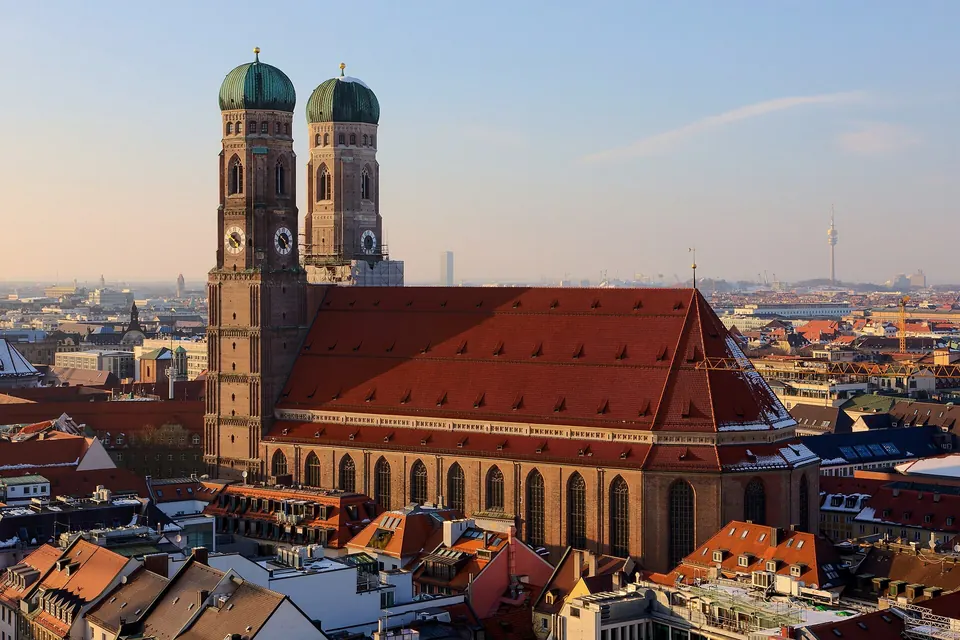
Photo : Martin Falbisoner · CC BY-SA 3.0 · Wikimedia Commons
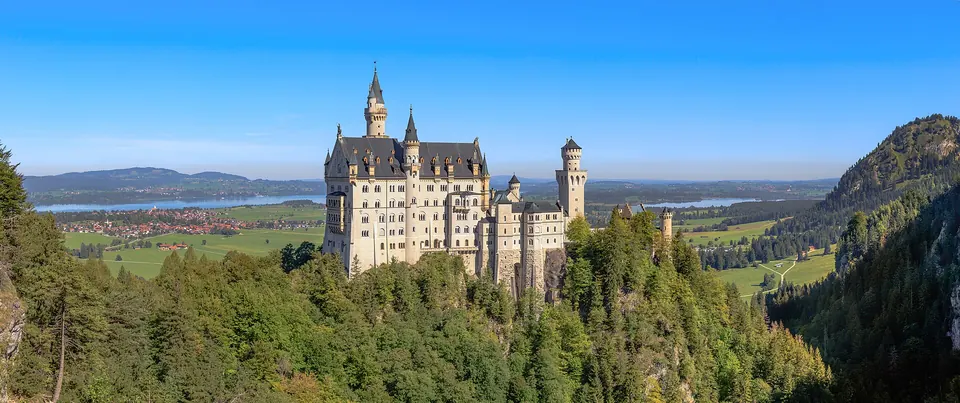
Bavaria is Germany's largest state by area, and it travels like a small country of its own. A few hours by train take you from Munich, a lively regional capital, to the peaks of the Bavarian Alps and on to the half-timbered old towns of Franconia in the north. It's also home to King Ludwig II's castles, including Neuschwanstein, one of the most visited landmarks in the country.
If Bavaria is one stop on a bigger trip, our Germany travel guide helps you combine it with Berlin, the Rhine or the Black Forest.
Rather than switching hotels every night, pick two or three bases and take day trips by train.
Every season has its draw. May–June and September–October strike a good balance between weather, hiking and crowds. Summer is peak season in the Alps and around the castles, so book early. Munich gets very busy during Oktoberfest, scheduled for September 18 to October 3, 2027, according to the city of Munich, and hotel rates rise sharply. In December, Christmas markets in Nuremberg, Munich and Regensburg draw big crowds, while the Alpine winter is made for skiing and snowshoeing.
Plan on 3 to 4 days for Munich plus a day trip to Neuschwanstein or the lakes. With a week, you can add the Alps and one or two Franconian towns. With ten days or more, the Romantic Road, the Danube and the Bavarian Forest fit in without rushing. For a day-by-day plan, see our 7-day Bavaria itinerary with castles and costs.
Munich Airport is Bavaria's main gateway, with nonstop transatlantic service from several US hubs; Nuremberg Airport is the second option. US passport holders can stay in the Schengen Area visa-free for up to 90 days in any 180-day period. The ETIAS travel authorization is not yet in operation, and the EU says it will announce the start date several months ahead: check the official ETIAS website before you book.
Once there, trains cover most sights. Two passes stand out:
A car helps for small Alpine and Allgäu villages, but you won't need one in Munich, Nuremberg or Regensburg.
Bavaria, and Munich in particular, sits at the upper end of German hotel prices, but regional transportation stays affordable thanks to the passes. Some verified benchmarks:
| Item | Price |
|---|---|
| Bayern-Ticket, 1 person, 2nd class | €34 per day |
| Bayern-Ticket, 5 people, 2nd class | €74 per day |
| Deutschlandticket (2026) | €63 per month |
| Neuschwanstein Castle, adult 2026 | €21 + €2.50 online booking fee |
| Neuschwanstein, under 18 | Free (ticket required, €2.50 fee) |
The castle administration recommends booking Neuschwanstein online in advance: same-day tickets at the Hohenschwangau Ticket Center often sell out early. For more planning help, the official Bavaria tourism board website is the go-to reference.