 Switzerland
Best Cities to Visit in Switzerland: 9 Picks by Trip Type
Bern and Lucerne for a first trip, Geneva and Lausanne from France, Basel for museums, Lugano for an Italian feel.
Destinations
Alpine peaks, glacier-fed lakes, lakeside cities and four national languages, all linked by trains that cross the country in a few hours: Switzerland works as well for a short add-on to a Europe trip as for a full grand tour. Here's what you need to pick your season, trip length, transportation and home base.
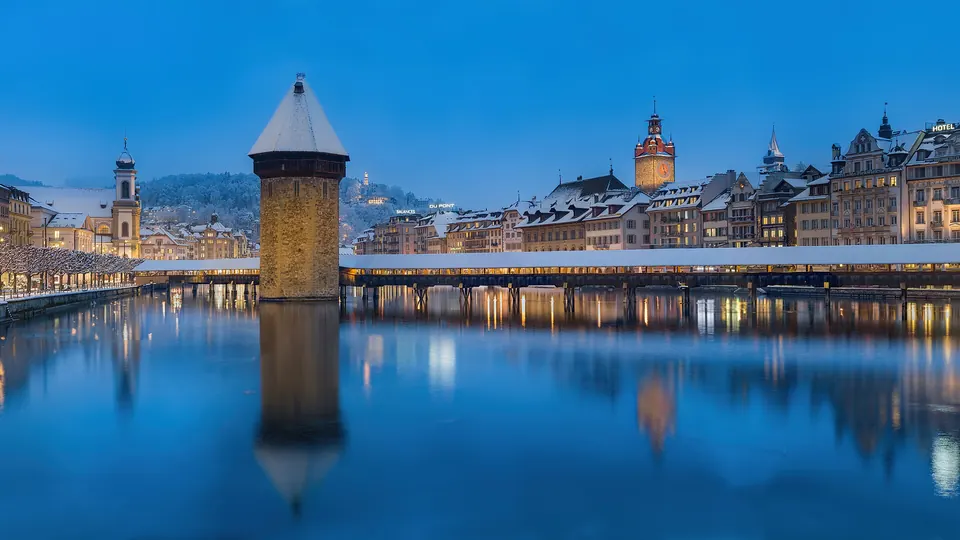
Photo : böhringer friedrich · CC BY-SA 2.5 · Wikimedia Commons
Switzerland packs very different landscapes into a small country: glaciers and high Alpine summits, the big lakes of the central plateau, the rolling Jura hills and a Mediterranean-feeling south in Ticino. There are four national languages: German dominates in 19 of the 26 cantons, French in the west, Italian in Ticino and southern Graubünden, and Romansh is spoken by a small minority. Crossing a regional line often means a new language, cuisine and architectural style, all on the same transit network.
That network is the other big draw. Trains, buses, boats and mountain railways connect almost everywhere, including mountain villages, so you can easily travel without a rental car. Our in-depth guides, shown below this article, cover individual cities and regions.
In the shoulder seasons, some cable cars close for maintenance, so check dates before planning around a specific summit.
Fewer bases and more nights in each pay off: mountain weather often decides which day is right for going up.
The main international gateways are Zurich and Geneva, plus the EuroAirport Basel-Mulhouse on the French border. Many travelers combine Switzerland with France or Italy: the TGV Lyria high-speed train links Paris to Geneva in about 3 hours 10 minutes and Paris to Zurich in about 4 hours. If you drive, a motorway vignette (sticker or e-vignette) is mandatory and costs CHF 40 for the year.
Switzerland is not in the EU but is part of the Schengen Area. With a US passport you can stay visa-free for up to 90 days in any 180-day period across all Schengen countries combined. The EU's Entry/Exit System now records biometric data at the border. ETIAS, the upcoming travel authorization, is not yet in operation: check the official ETIAS page before you go.
Swiss transit runs on a clock-face timetable, with train, bus and boat connections designed together. Two passes matter for visitors who live outside Switzerland:
Kids under 6 ride free; ages 6 to 15 ride free with a parent holding the free Swiss Family Card. Seat reservations on scenic trains such as the Glacier Express and Bernina Express cost extra. Current details are on the official Swiss Travel Pass site.
Switzerland is expensive: lodging, restaurants and especially cable cars to the famous summits add up fast. Transportation is easier to control with a pass. 2026 adult second-class Swiss Travel Pass prices:
| Duration | Price |
|---|---|
| 3 days | CHF 254 |
| 4 days | CHF 309 |
| 6 days | CHF 399 |
| 8 days | CHF 439 |
| 15 days | CHF 499 |
To save: picnic with supermarket food, use the museums included in the pass, pick the summits the pass covers for free over the most famous ones, and avoid peak holiday weeks. The currency is the Swiss franc (CHF), not the euro; cards are widely accepted.
For regional inspiration and practical information, the national tourism office, MySwitzerland, is the go-to source. Then dive into our detailed city and region guides below.