Destinations
Visiting Germany: The Essential Travel Guide
From Berlin's museums and nightlife to half-timbered towns, Bavarian castles and Rhine vineyards, Germany packs remarkable variety into a country that's easy to cross by train. Here's what you need to pick your season, trip length, home bases and budget before diving into our detailed guides.
Photo : Gerda Arendt · CC0 · Wikimedia Commons
Where to go in Germany
Why Visit Germany
Germany is a federal country, and you feel it on the ground: each state has its own architecture, food, festivals and character. On a single trip you can go from a cultural capital like Berlin to a red-brick Hanseatic old town, then on to wine valleys or the foothills of the Alps. The country has 55 UNESCO World Heritage Sites; the latest, added in July 2025, is the ensemble of King Ludwig II's palaces in Bavaria (Neuschwanstein, Linderhof, Schachen and Herrenchiemsee).
Its other big advantage is a dense rail network linking major cities and small historic towns, so most visitors never need a rental car.
Germany's Main Regions at a Glance
Berlin and the East
Berlin combines world-class museums, 20th-century history and a famous nightlife scene. Dresden and Leipzig pair easily with the capital; Dresden's Striezelmarkt is often called the country's oldest Christmas market.
The Hanseatic North
Hamburg, Bremen and Lübeck, whose old town is UNESCO-listed, offer harbors, brick warehouses and access to the North Sea and the Baltic.
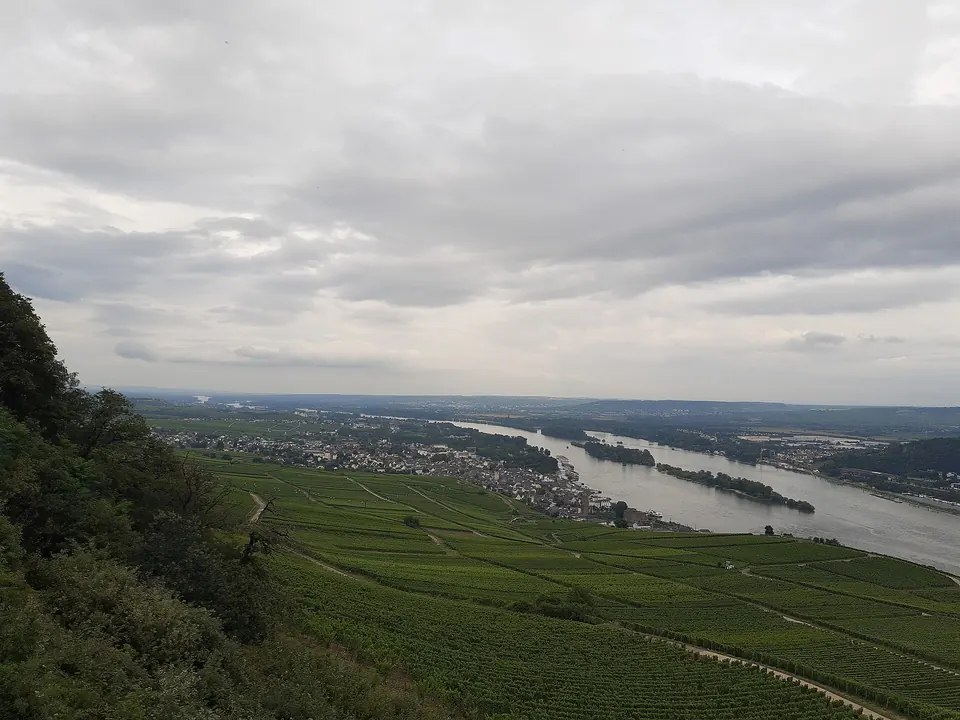
The Rhineland and Wine Valleys
Cologne and its cathedral, Germany's first UNESCO site (1978), the Romantic Rhine and the Moselle Valley make a classic route by train, boat or bike.
Bavaria and the South
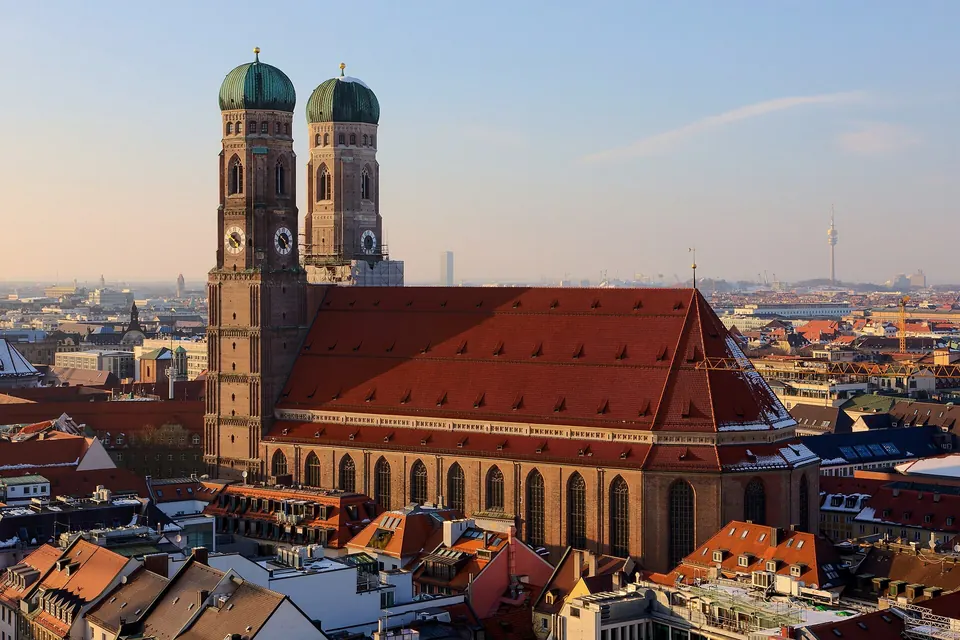
Munich, the Romantic Road, Nuremberg and the Alps draw more international visitors than any other region. Our complete Bavaria travel guide covers the cities, Ludwig II's castles and Alpine itineraries. Farther west, Baden-Württemberg leads to the Black Forest and Lake Constance.
Best Time to Visit Germany
- May to September: the most pleasant months for city walks, Alpine hikes, river cruises and beer gardens. Also peak season.
- Late September to early October: Munich's Oktoberfest runs September 18 to October 3, 2027, according to the city's official site. Munich hotels fill up fast.
- Late November to December: Christmas market season, from Nuremberg's Christkindlesmarkt to Dresden and Lübeck. Short days, unforgettable atmosphere.
- January to March: low season in the cities, good for museums and lower rates, and ski season in the Bavarian Alps.
How Many Days Do You Need?
- 3 to 4 days: one city, such as Berlin, Munich, Hamburg or Cologne.
- One week: two neighboring regions, for example Munich and Bavaria, or Cologne and the Rhine Valley.
- Two weeks: a rail loop such as Berlin, Dresden or Leipzig, Nuremberg and Munich, with an add-on in the Alps or along the Rhine.
Given the long flight from the US, it pays to pick two or three bases and take day trips by train rather than switching hotels every night.
Getting There and Getting Around
Frankfurt and Munich are Germany's main international hubs, with nonstop service from several major US airports; Berlin is another common gateway. Germany is in the Schengen Area: US passport holders can stay up to 90 days in any 180-day period without a visa, and time spent in other Schengen countries counts toward that limit. The EU's Entry/Exit System now records your fingerprints and photo at the border. The ETIAS travel authorization had not yet launched at the time of writing; check the official ETIAS page before you go.
Deutsche Bahn runs the long-distance ICE and IC trains. For regional trains and city transit, the Deutschlandticket costs €63 per month in 2026; it's sold only as a subscription and doesn't cover long-distance trains. A price increase has been announced for 2027, so confirm the current rate in Deutsche Bahn's official FAQ. A car is still handy for the Alps, the Black Forest or small wine roads.
Budget and Where to Stay
Costs depend mostly on city and season: Munich during Oktoberfest, or trade-fair cities during big conventions, are far pricier than Leipzig or Dresden midweek. To keep spending in check:
- book ICE tickets early, since discounted fares are limited;
- use regional trains with the Deutschlandticket for day trips;
- stay near the main train station (Hauptbahnhof) to save time between rides.
Where to stay by area: in Berlin, Mitte for walkable sightseeing, Kreuzberg or Prenzlauer Berg for neighborhood life; in Munich, the Old Town or Maxvorstadt; in the Rhine Valley, small riverside towns rather than a big city; in winter, book early in towns known for their Christmas markets.