 Rome
How to Get to Rome from Paris: Plane, Train, Car or Bus
Fly in 2 hours, take the train in 10 hours via Milan, drive or bus: times, prices and getting into Rome, mode by mode.
Italy
In Rome you can walk through 2,700 years of history in an afternoon, from the Forum to Baroque piazzas and the trattorias of Trastevere. This guide covers what you need to plan your trip: when to go, how long to stay, how to get around, what things cost and where to stay.
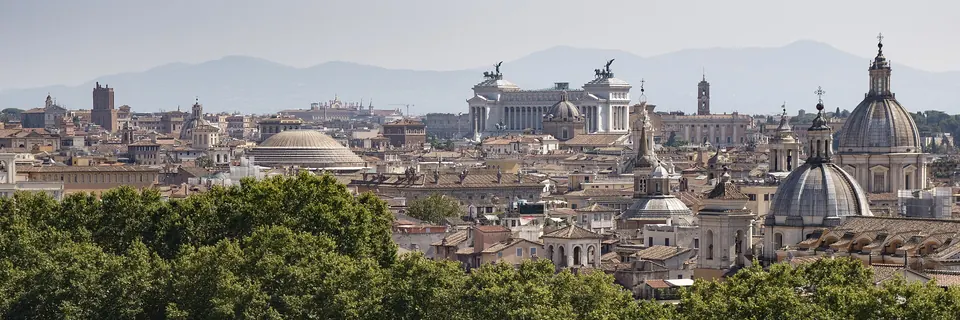
Photo : Nicholas Hartmann · CC BY-SA 4.0 · Wikimedia Commons
RomeFly in 2 hours, take the train in 10 hours via Milan, drive or bus: times, prices and getting into Rome, mode by mode.
 Rome
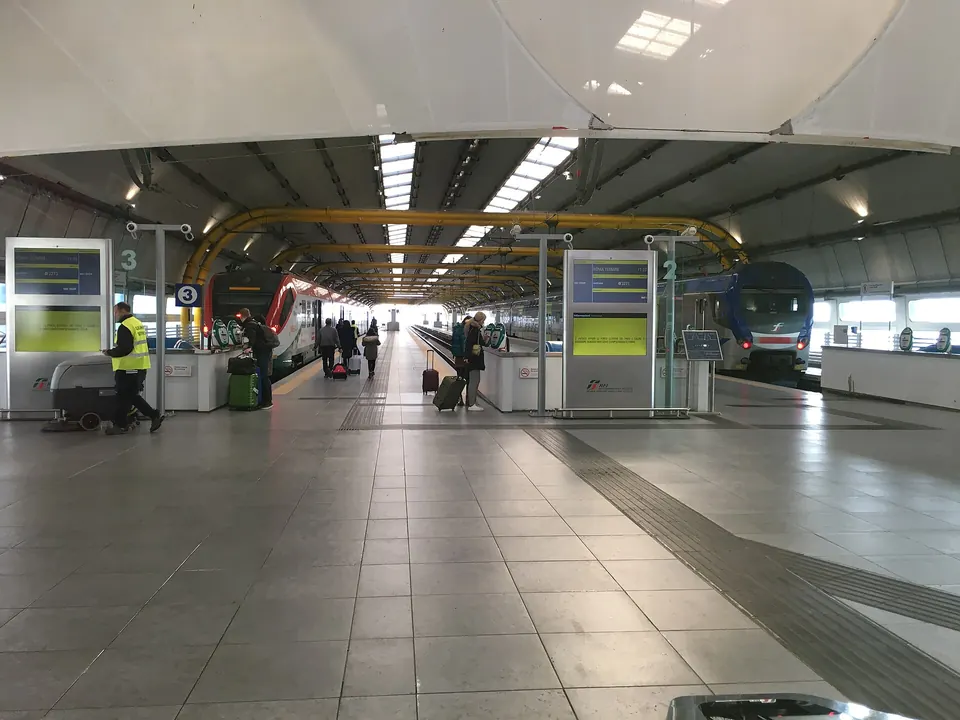
Leonardo Express (€14, 32 min) to Termini, FL1 (€8) to Trastevere and Tiburtina, Ciampino Airlink (€2.70) from Ciampino.
Few cities pack so many eras into such a small area. Ancient Rome sits right in the center: the Colosseum, the Roman Forum and the Palatine Hill share a single archaeological park. A short walk away, the Pantheon and Piazza Navona show the imperial and Baroque city. Across the Tiber, Vatican City holds St. Peter's Basilica, the Vatican Museums and the Sistine Chapel.
There is plenty to see between the big sights, too. Monti has kept its narrow streets and small workshops, Trastevere's squares come alive at night, and Testaccio is known for traditional Roman cooking. Rome is also a natural first stop on a longer trip. Our Italy travel guide covers the rest of the country.
Spring (April through June) and fall (September and October) offer the best balance of pleasant weather and long days. Summer is hot and crowded. Winter is quieter, with shorter lines, but wetter. To compare temperatures, rainfall and sunshine, see our guide to Rome weather by month.
Opening hours also change with the season. At the Colosseum, for example, last entry is 3:30 p.m. from October 25, 2026, to February 28, 2027.
Rome has two airports: Fiumicino, the main international hub, and Ciampino, used mostly by budget airlines. From the US, most travelers fly into Fiumicino, either nonstop or with a connection through another European hub. If you're combining Rome with Paris, our guide on how to get to Rome from Paris by plane, train, car or bus compares the options. There is no direct Paris–Rome train, so you'll change in Milan or Turin.
From Fiumicino, the Leonardo Express runs nonstop to Termini station for €14 one way. The cheaper FL1 regional train stops at other city stations. Our guide to the Rome airport trains from Fiumicino and Ciampino covers both airports in detail.
In the city, you'll get around the historic center mostly on foot. The ATAC network (metro, buses, trams) uses the €1.50 BIT ticket, which is valid for 100 minutes and includes one metro ride. There are also Roma 24H, 48H and 72H passes, and you can tap a contactless card at the validators. City tickets don't cover the airport trains.
With a US passport, you can visit Italy and the rest of the Schengen Area visa-free for up to 90 days in any 180-day period. The EU's future travel authorization, ETIAS, is not yet in operation and isn't collecting applications. Check the official ETIAS website before you go, and only apply through official channels once it launches.
| Item | Typical price |
|---|---|
| Colosseum + Roman Forum + Palatine (24-hour ticket) | €18 |
| Vatican Museums and Sistine Chapel | €20 (+ €5 online booking fee) |
| Trevi Fountain (basin access) | €2 |
| BIT transit ticket (100 minutes) | €1.50 |
| Roma 24H / 48H / 72H transit pass | €8.50 / €15 / €22 |
| Leonardo Express, Fiumicino–Termini | €14 |
Since February 2, 2026, non-residents pay €2 to enter the basin area of the Trevi Fountain. Tickets are sold online, at tourist info points and on-site (cards only), and children under 5 enter free. Vatican Museums tickets booked on the official website are non-refundable, so book early in peak season.
Hotels also charge Rome's tourist tax (contributo di soggiorno) per person, per night. The rate depends on the property type and reaches €10 at five-star hotels. It applies for up to 10 consecutive nights, and children 10 and under are exempt.
For opening hours, events and visitor info points, check the city's official tourism site, Turismo Roma.