 United Kingdom
Wales Itinerary: 7 Days, Castles and Getting There
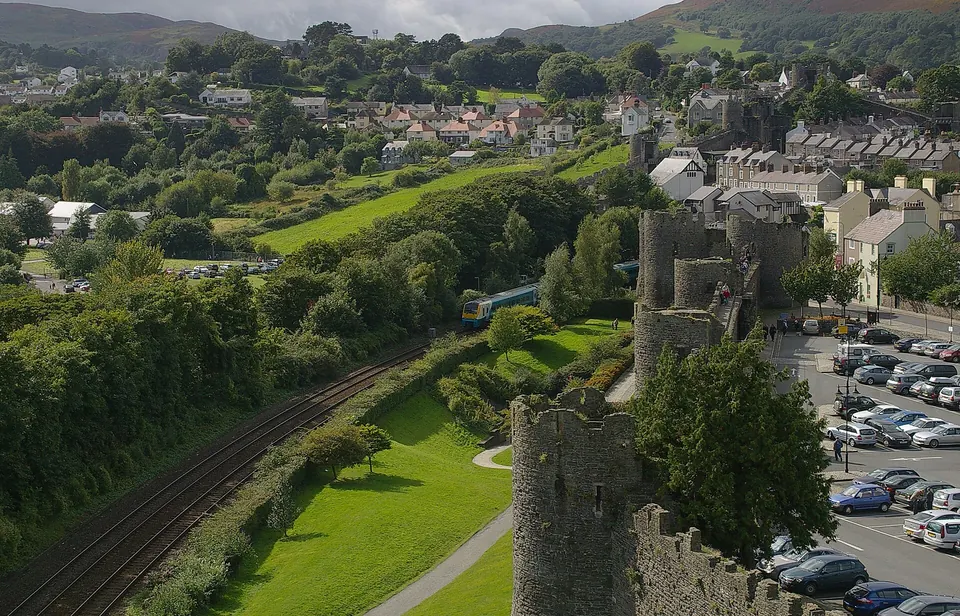
UNESCO castles, Eryri and the Pembrokeshire coast: Wales takes 5 to 7 days and is under two hours by train from London.
Destinations
Four nations share one compact island network: a few hours by train take you from London's free museums to Welsh castles and the Scottish Highlands. Here's what you need to plan the trip, from the mandatory ETA to choosing which regions to see.
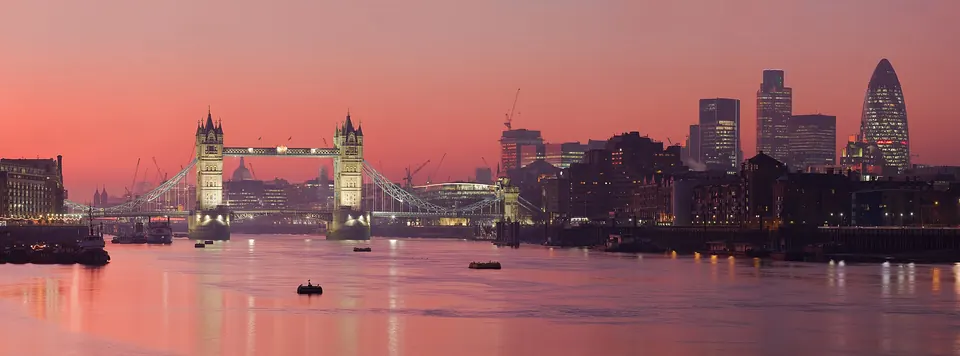
Photo : Diliff · CC BY 3.0 · Wikimedia Commons
The UK is made up of four nations with distinct identities: England, Scotland, Wales and Northern Ireland. That's what makes it so varied for its size: a global capital, university towns like Oxford and Cambridge, honey-stone villages in the Cotswolds, the lakes and fells of the Lake District, the Highlands and Scottish islands, and the Giant's Causeway on the Northern Irish coast.
London also has a rare budget perk: many major national museums, including the British Museum and the National Gallery, offer free admission to their permanent collections. Beyond the cities, you'll find coastal trails, national parks and centuries of heritage sites.
The climate is maritime: rarely extreme, but changeable, with rain possible in any season, so pack layers and a waterproof jacket. Late spring and summer (May to September) bring the longest days, ideal for hiking and for Scotland, where June evenings stay light very late. July and August are also the busiest and most expensive months, especially in London, in Edinburgh during its August festivals, and along the coasts.
Spring and early fall are a good balance for cities and the English countryside. Winter works well for city breaks (museums, theater, holiday markets), but days are short up north and some rural sites cut their hours.
Given the overnight flight and jet lag from the US, plan at least a week if you can.
Go deep rather than wide: rural travel often takes longer than distances on the map suggest.
The UK is not part of the Schengen Area, so its rules are separate from the 90-days-in-180 limit that applies in Schengen countries, and time spent in Britain does not count toward it. US passport holders need an Electronic Travel Authorisation (ETA) before boarding. It costs £20, allows multiple visits of up to six months each, and is valid for two years or until your passport expires. Apply only through the official UK government ETA page or the official app, as lookalike sites charge more. If you're continuing to mainland Europe, check the official EU ETIAS website for the latest on that separate authorization.
Nonstop flights link many US cities with London, and some also serve Edinburgh, Manchester or other UK airports, handy if you want to start in the north and fly home from London. If you're already in Europe, the Eurostar connects Paris and Brussels with London St Pancras; Paris to London takes just over two hours.
Trains are the most comfortable way between cities, and booking long-distance tickets in advance can cut fares substantially. Intercity buses are cheaper but slower. For the countryside (Cotswolds, Highlands, Wales), a car gives freedom, but remember that traffic drives on the left, most rentals are manual unless you request an automatic, and rural roads can be very narrow. In London, contactless bank cards and phones work on public transportation.
The currency is the pound sterling (£), and cards are accepted almost everywhere, even for small purchases; check your card's foreign transaction fees before you go. London is the priciest place to sleep; costs drop noticeably in northern England, Wales and outside peak season. To stretch your dollars: use the free national museums, buy train tickets early, have lunch at a pub, and stay midweek rather than on weekends in popular cities.
Browse our detailed regional guides and itineraries below to plan each stage.