 Bavaria
Visit Bavaria: 7-Day Itinerary, Castles and Budget
Munich, Ludwig II's castles, the Alps and Franconia: the essentials in one week by regional train, with real ticket prices.
Germany
From Munich's beer halls to King Ludwig II's castles, from Alpine lakes to the medieval towns of Franconia, Bavaria concentrates much of what draws visitors to Germany into a single state. Here is what you need to choose your season, trip length, bases and budget before turning to our detailed guides.
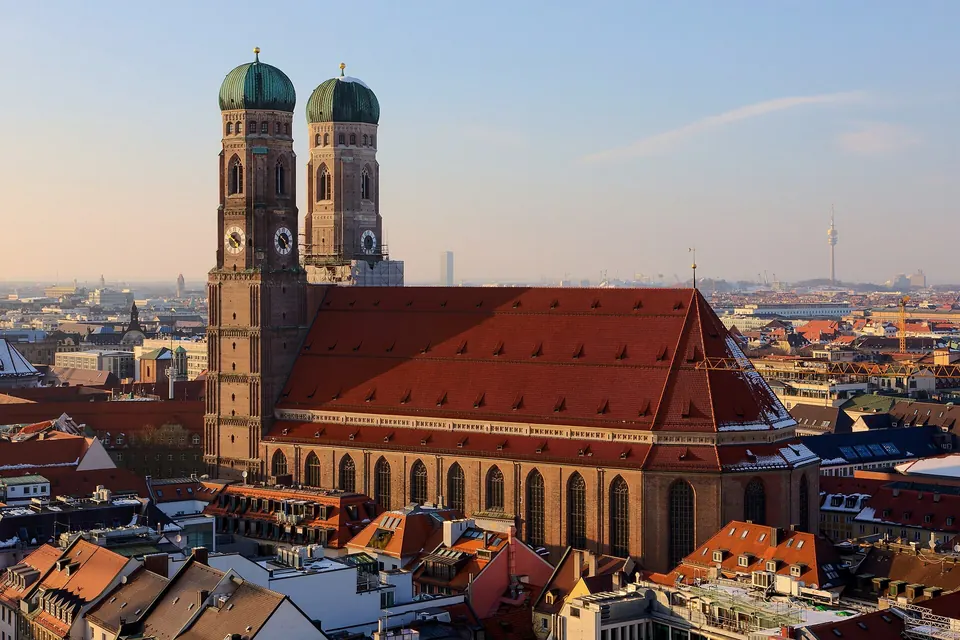
Photo : Martin Falbisoner · CC BY-SA 3.0 · Wikimedia Commons
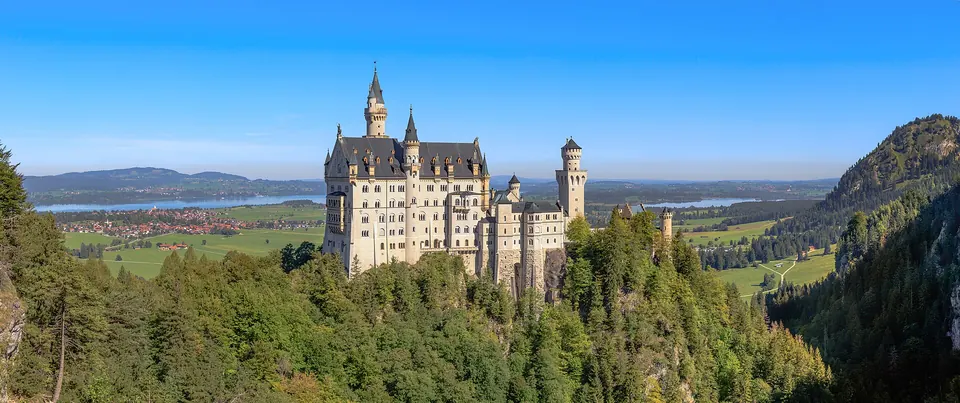
Bavaria is Germany's largest state by area, and it feels like a small country in its own right. A few hours by train take you from Munich, a lively regional capital, up to the peaks of the Bavarian Alps and on to the medieval old towns of Franconia in the north. It is also home to King Ludwig II's castles, including Neuschwanstein, one of the most visited sights in the country.
If Bavaria is part of a longer trip, our Germany travel guide will help you pair it with Berlin, the Rhine or the Black Forest.
Rather than moving hotel every night, choose two or three bases and travel out by train.
Each season has something to offer. May–June and September–October give a good balance of weather, walking and crowds. Summer is high season in the Alps and around the castles, so book early. Munich is extremely busy during Oktoberfest, scheduled for 18 September to 3 October 2027 according to the city of Munich, and accommodation prices climb steeply. In December, the Christmas markets in Nuremberg, Munich and Regensburg draw large crowds, while the Alpine winter suits skiing and snowshoeing.
Allow 3 to 4 days for Munich plus a day trip to Neuschwanstein or the lakes. With a week, you can add the Alps and one or two Franconian towns. With ten days or more, the Romantic Road, the Danube and the Bavarian Forest fit in comfortably. For a day-by-day plan, see our Bavaria itinerary covering the castles and budget.
Munich and Nuremberg airports are the main gateways, with flights from London and several other UK airports. If you prefer to avoid flying, the Eurostar to Paris or Brussels connects onwards to Germany by rail. Since Brexit, British passport holders can spend up to 90 days in any 180-day period in the Schengen Area without a visa; passport validity rules and the EU's new Entry/Exit System apply. Check the latest GOV.UK entry requirements for Germany before you travel.
Once there, trains reach most sights. Two tickets are particularly useful:
A car is handy for small Alpine and Allgäu villages, but unnecessary in Munich, Nuremberg or Regensburg.
Bavaria, and Munich especially, sits at the top end of German accommodation prices, but regional transport stays affordable thanks to the passes. Some verified benchmarks:
| Item | Price |
|---|---|
| Bayern-Ticket, 1 person, 2nd class | €34 per day |
| Bayern-Ticket, 5 people, 2nd class | €74 per day |
| Deutschlandticket (2026) | €63 per month |
| Neuschwanstein Castle, adult 2026 | €21 + €2.50 online booking fee |
| Neuschwanstein, under 18s | Free (ticket required, €2.50 fee) |
The castle administration advises booking Neuschwanstein online in advance, as same-day tickets at the Hohenschwangau Ticket Centre often sell out early. For further planning, the official Bavaria tourist board website is the reference.