Destinations
Visiting Bulgaria: Your Complete Trip-Planning Guide
Frescoed monasteries, Roman and Ottoman-era towns, the Rila and Pirin mountains and a long Black Sea coast: Bulgaria packs a remarkable range of landscapes and history into a compact country. A full Schengen member since 2025 and on the euro since January 1, 2026, it has never been easier to plan.
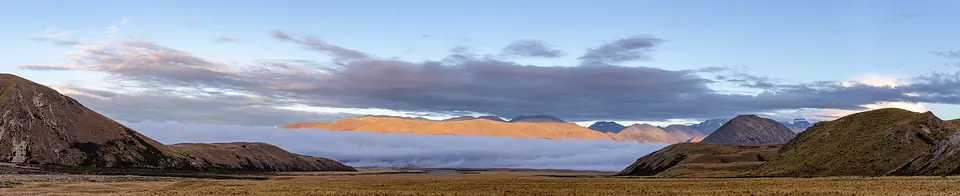
Photo : Michal Klajban · CC BY-SA 4.0 · Wikimedia Commons
Where to go in Bulgaria
Why Visit Bulgaria
Bulgaria rewards travelers on three fronts: heritage, mountains and coast. The country has 10 UNESCO World Heritage sites, including Rila Monastery, Boyana Church, the Ancient City of Nessebar, the Madara Rider, the Rock-Hewn Churches of Ivanovo and Pirin National Park.
A trip naturally builds around a handful of hubs:
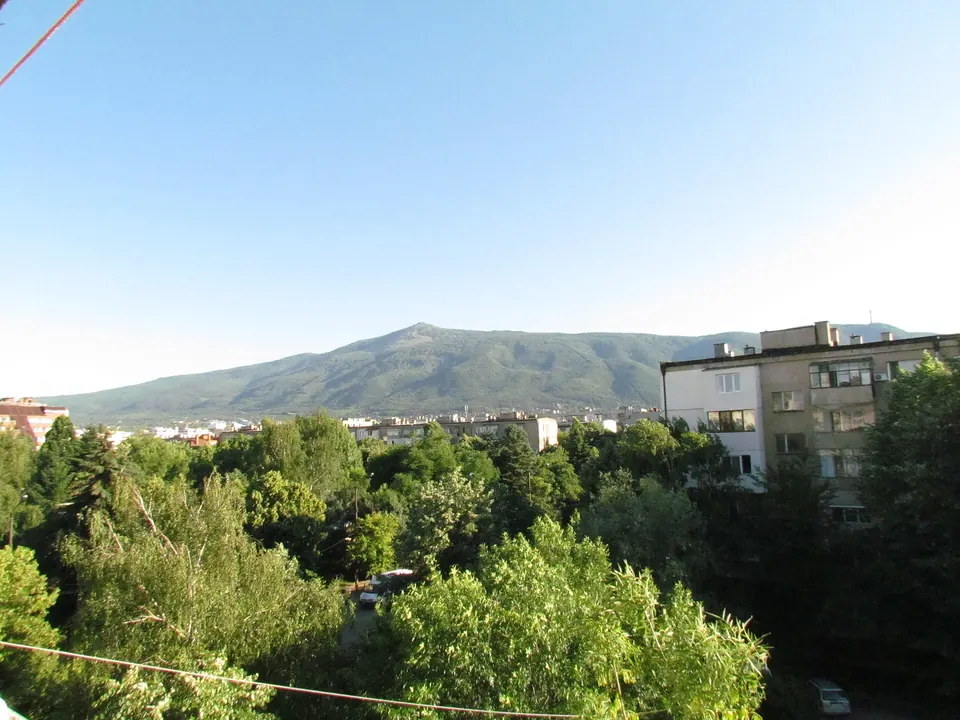
- Sofia, the capital, with Alexander Nevsky Cathedral, ancient ruins in the middle of downtown and Vitosha mountain on the city's edge. Our complete guide to visiting Sofia covers neighborhoods, sights and day trips.
- Plovdiv, known for its old town of National Revival houses and its Roman theater.
- Veliko Tarnovo, a medieval capital crowned by Tsarevets Fortress.
- The mountains: Rila (the monastery and glacial lakes), Pirin (Bansko) and the Rhodopes, for summer hiking and winter skiing.
- The Black Sea: Varna, Burgas, Nessebar and Sozopol, where beaches meet old towns.
When to Go
Bulgaria has distinct seasons. May–June and September–October are the sweet spot for a cultural road trip, with pleasant weather and thinner crowds. Summer (June through September) is Black Sea season, and July–August is the busiest stretch. In winter, the ski resorts of Bansko, Borovets and Pamporovo typically open around December and close between mid- and late April, depending on snow. For high-altitude hiking in Rila or Pirin, July through September is the safest window.
How Long to Stay
- 3–4 days: Sofia, Boyana Church and a day trip to Rila Monastery.
- One week: Sofia, Rila, Plovdiv and Veliko Tarnovo, or Sofia plus a few days on the Black Sea.
- 10 days to two weeks: the full loop of Sofia, Rila, Plovdiv, the Rhodopes, Veliko Tarnovo and Varna or Burgas, with a night or two in the mountains.
Since flights from the US involve a connection, Bulgaria also pairs well with neighboring Greece or Romania on a longer European trip.
Getting There and Getting Around
Flights: Bulgaria has four international airports: Sofia (by far the busiest), Varna and Burgas on the coast (mainly busy in summer) and Plovdiv. From the US, expect to connect through a major European hub, usually landing in Sofia.
Entry rules: Bulgaria has been a full member of the Schengen Area since January 1, 2025. US passport holders can visit visa-free for up to 90 days in any 180-day period, and days spent in other Schengen countries count toward that limit. Your passport should have been issued within the past 10 years and be valid for at least three months beyond your planned departure from the Schengen Area. On your first entry, you'll register fingerprints and a photo under the EU's Entry/Exit System (EES). The ETIAS travel authorization is not yet in operation and no launch date has been set; check only the official ETIAS page and see the State Department's Bulgaria page before you go.
On the ground:
- Trains: the national railway BDZ links Sofia with Plovdiv, Burgas, Varna, Ruse and Vidin, including overnight trains to the coast. Rail is often slower than road.
- Buses: a dense intercity network that's often faster; Sofia's Central Bus Station sits next to the main train station.
- Driving: the best way to reach monasteries and the Rhodopes. The Trakia motorway (Sofia–Plovdiv–Burgas) and Hemus motorway (toward Varna) are the main routes. An electronic vignette (road toll) is mandatory: since August 1, 2026, a car costs €5.30 per day, €6.60 for a weekend, €10 per week or €19.90 per month.
Budget and Currency
Bulgaria switched to the euro on January 1, 2026, at a fixed rate of €1 = 1.95583 lev. Since February 1, 2026, the euro has been the only legal tender, though you may still spot dual euro/lev price tags, which were mandatory until August 8, 2026. Cards are widely accepted in cities, but carry some cash for villages, monasteries and small guesthouses.
Prices swing sharply by season and place: the coast in peak summer and ski resorts in high season cost noticeably more than inland towns off-season. Book early for July and August on the Black Sea.
Where to Stay: Main Areas
- Sofia: a practical base for the first days and day trips to Rila and Boyana; stay downtown to get around on foot or by metro.
- Plovdiv: the old town and the Kapana district for atmosphere, right in the center of the country.
- Veliko Tarnovo: the natural stopover in the north, between Sofia and the coast.
- Mountains: Bansko (Pirin) or Borovets (Rila) in winter, Rhodope villages in summer.
- Black Sea: Varna in the north; Burgas, Nessebar and Sozopol in the south. Choose the old towns over big beach complexes if you like to explore on foot.
Good to know: Bulgarian uses the Cyrillic alphabet, though tourist signage is often also in Latin script. The detailed guides below go deeper into each stop.