 Amsterdam
How Many Days in Amsterdam? 2, 3 or 5 Days Compared
Three days for a first visit, two if you choose carefully, four or five with day trips from Amsterdam.
Netherlands
Seventeenth-century canals, world-class museums and neighborhoods you can cover on foot or by bike: Amsterdam packs a lot into a small space. This guide covers the essentials, from the best season and how long to stay to where to base yourself and why hotel bills now run higher.
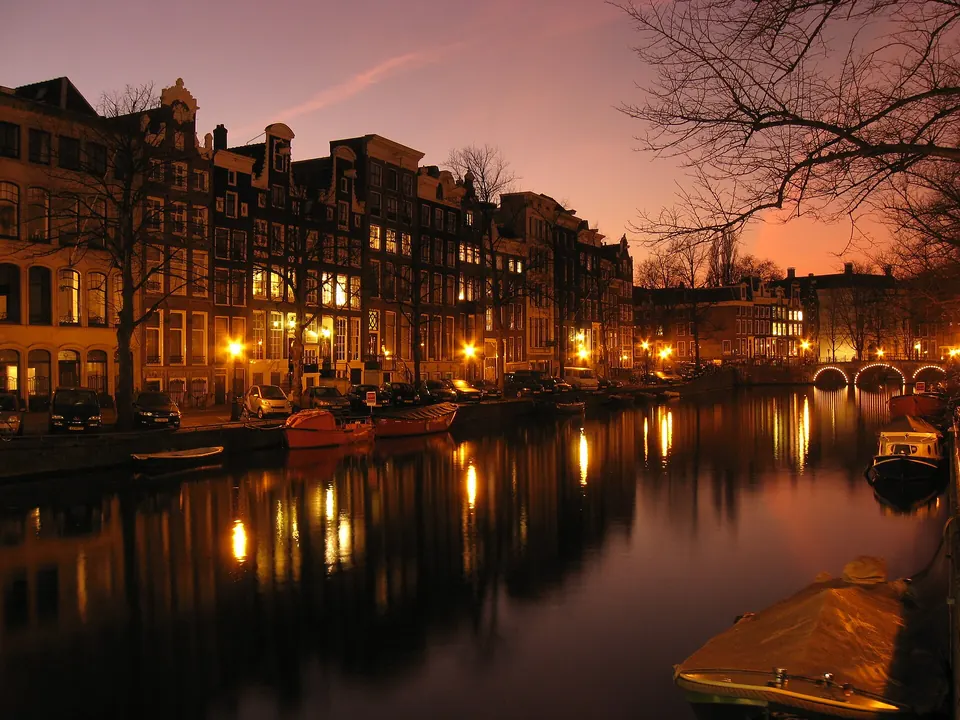
Photo : Diliff · CC BY 2.5 · Wikimedia Commons
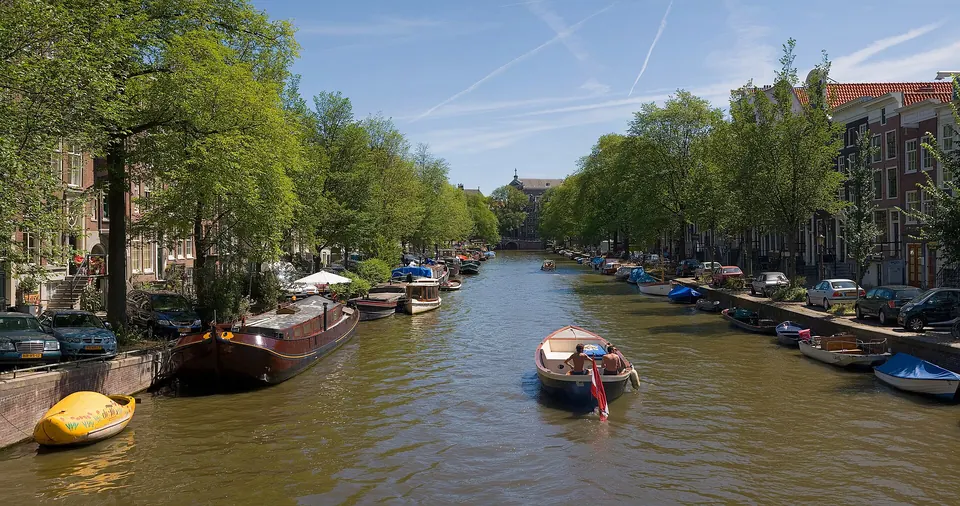
Amsterdam is a compact capital where most sights are within walking distance. Its historic core is shaped by the 17th-century Canal Ring (Grachtengordel), a UNESCO World Heritage site: narrow merchants' houses, bridge after bridge and waterfront streets shared by pedestrians and a steady stream of cyclists.
It's also one of Europe's great museum cities. Around Museumplein you'll find the Rijksmuseum, devoted to Dutch art and history, the Van Gogh Museum and the Stedelijk for modern art. In the center, the Anne Frank House is among the most sought-after visits; tickets are sold online and often sell out well ahead.
Beyond the postcard views, the city reveals itself neighborhood by neighborhood: the lanes of the Jordaan, the market streets of De Pijp, the parks of Oost, and Amsterdam-Noord across the IJ, where former shipyards have become cultural venues.
Amsterdam works year-round, but each season feels different:
Whatever the month, pack a rain jacket: showers can roll in any time of year.
A long weekend is enough for a first taste: the canals, one or two major museums and a wander through the Jordaan. Three days lets you add a less central neighborhood and a bike ride; with five days you can head out to the villages north of the city or to Haarlem. For day-by-day plans, see our guide on how many days to spend in Amsterdam (2, 3 or 5).
Transatlantic flights land at Amsterdam Airport Schiphol, a major hub, which also makes Amsterdam a convenient first stop on a wider European trip. Trains run from the airport to Amsterdam Centraal in about 15 minutes; check current fares on the Dutch Railways (NS) website, as they vary.
Entry rules: the Netherlands is in the Schengen Area, where US passport holders can stay visa-free for up to 90 days in any 180-day period. The EU's Entry/Exit System now records travelers' biometrics at the border. The ETIAS travel authorization is not yet in operation; check the official EU ETIAS page for the launch date before you travel.
The center is best explored on foot. For longer hops, the GVB network runs trams, buses, ferries and a metro with four lines fanning out from Centraal. Ferries to Noord are free for pedestrians and cyclists. The easiest way to pay is to tap a contactless card or phone (the OVpay system) when you board and again when you get off: on GVB lines, fares are capped at €10.50 per day, according to I amsterdam, the official tourism site. GVB also sells 1- to 7-day passes, and the I amsterdam City Card bundles transit with museum entry.
If you rent a bike, stick to the bike lanes and expect heavy, fast-moving bike traffic in the center.
Lodging is the big expense, and taxes have pushed it higher:
Check whether quoted prices include taxes. To save, travel off-season, stay just outside the historic core (transit makes those areas easy to reach) and compare the City Card with individual tickets based on how many museums you plan to see.
| Area | Best for |
|---|---|
| Center and Canal Ring | First-timers who want everything walkable; priciest and busiest |
| Jordaan | Neighborhood feel, cafés and boutiques, close to the center |
| De Pijp | Market, restaurants, lively local scene |
| Oud-Zuid / Museumplein | Steps from the big museums, quieter streets |
| Oost | Parks, residential vibe, good tram links |
| Noord | Converted cultural spaces, free ferry to Centraal |
To fit Amsterdam into a longer itinerary, see our Netherlands travel guide.