 Sardinia
What to Do in Northern Sardinia: Sights, Beaches, Itinerary
Gallura and the Costa Smeralda in the northeast, Alghero, Capo Caccia and La Pelosa in the northwest: allow a week by car and book some visits.
Italy
Turquoise coves, granite mountains, shepherd villages and thousands of Bronze Age towers: Sardinia is far more than a beach island. Here is what you need to choose your season, trip length, route in and the right region to base yourself.
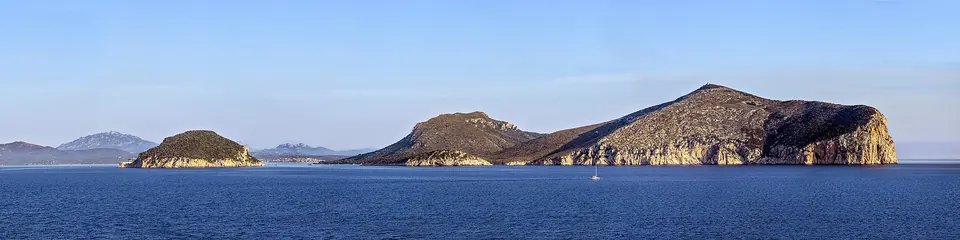
Photo : Terragio67 · CC BY-SA 4.0 · Wikimedia Commons
The second-largest island in the Mediterranean, Sardinia is part of Italy yet feels distinct, with its own language, a pastoral food culture and a prehistory found nowhere else. The island has roughly 7,000 nuraghi, the stone towers of the Bronze Age; the nuragic village of Su Nuraxi di Barumini has been a UNESCO World Heritage Site since 1997.
Still, the coastline is what draws most travelers, and each side of the island has its own personality:
For beaches, sights and a day-by-day route in the top half of the island, see our guide to things to do in northern Sardinia, with beaches and an itinerary.
May, June and September are the sweet spot: the sea is warm enough for swimming, days are long and crowds are manageable. July and August bring the biggest crowds, the highest prices and the busiest ferries, so book lodging, car and crossings well ahead. April and October suit hiking and exploring the interior. In winter many beach businesses close, but Cagliari and the larger towns stay lively.
Note that some of the most popular beaches cap visitor numbers in season. At La Pelosa (Stintino), reservations are mandatory from May 15 to October 15, 2026, with 1,500 spots per day at €3.50 per person. Book only through the official La Pelosa beach booking site; fake booking sites show up every season.
Sardinia is bigger than many visitors expect, and inland roads twist through the mountains, so driving times add up. A rough guide:
Pick your arrival airport or port based on the region you want to see, and consider flying out of a different one to avoid backtracking.
Sardinia has three main airports: Cagliari-Elmas (south), Olbia-Costa Smeralda (northeast) and Alghero-Fertilia (northwest). From the US, plan on connecting through Rome, Milan or another European hub; connections multiply in summer and thin out in the off-season.
Italy is in the Schengen Area. With a US passport you can stay up to 90 days in any 180-day period without a visa. The EU's ETIAS travel authorization is not yet in operation; check the official ETIAS page before you go for the latest status.
The main ports are Olbia, Golfo Aranci, Porto Torres, Cagliari and Arbatax. Crossings from mainland Italy (Genoa, Livorno, Civitavecchia and others) often run overnight; Genoa takes around 10 to 11 hours. Book early if you are bringing a car, as vehicle space sells out in summer.
A rental car is close to essential for beaches and the interior. Trains link the main towns (Cagliari, Oristano, Sassari, Olbia) and regional buses reach many villages, but service is infrequent, especially off-season. Most rentals are manual, so reserve an automatic early if you need one.
Costs swing widely by season and area. The Costa Smeralda and La Maddalena rank among Italy's priciest summer spots, while the west, the southwest and the interior are noticeably cheaper. Budget for:
Traveling in May, June or September is the easiest way to cut costs.
Rather than one hotel, many travelers string together two or three bases:
Inland agriturismi (farm stays) are a good way to discover local cooking. For festivals, events and up-to-date practical information, the official Sardinia tourism website is the reference.