 Sofia
Things to Do in Sofia, Bulgaria: 2–3 Day Itinerary
Two days for the historic center, a third for Boyana, Vitosha or Rila: the essentials for visiting Sofia, with prices in euros.
Bulgaria
Backed by Vitosha Mountain, Bulgaria's capital packs Roman ruins, Orthodox churches, an Ottoman mosque, and socialist-era architecture into a few walkable blocks. Here's what you need to pick a season, decide how long to stay, choose a neighborhood, and get around before diving into our detailed guides.
Photo : Jordani_av · CC BY 3.0 · Wikimedia Commons
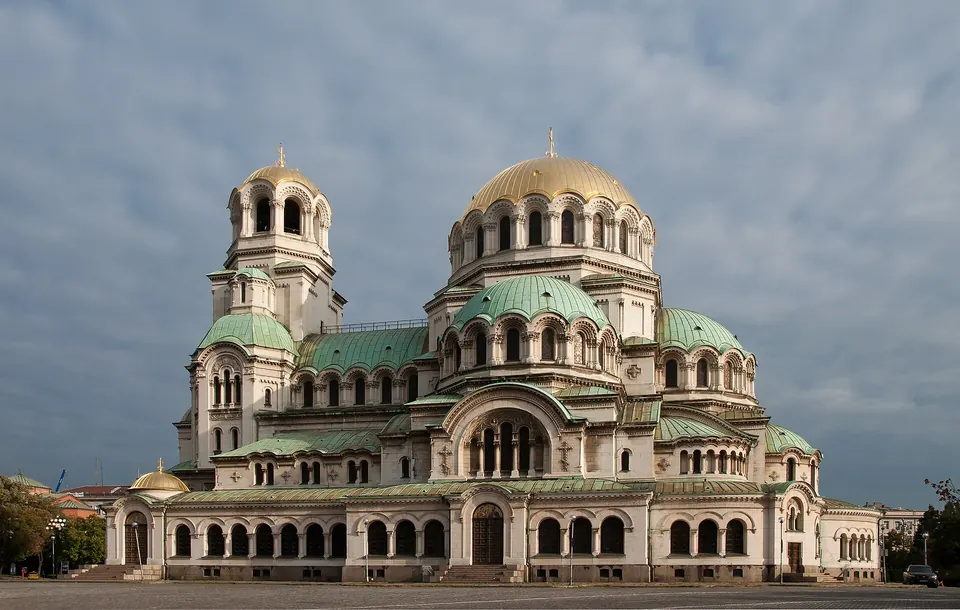
Sofia rewards travelers who like history in layers. Right downtown, remains of ancient Serdica surface in underpasses and around Serdika metro station, steps from the Rotunda of St. George, the Banya Bashi Mosque, and the synagogue. A short walk away, the gold domes of Alexander Nevsky Cathedral dominate the skyline. Add solid museums, big city parks, and a lively café and restaurant scene along Vitosha Boulevard, and you have a capital that is easy to enjoy on foot.
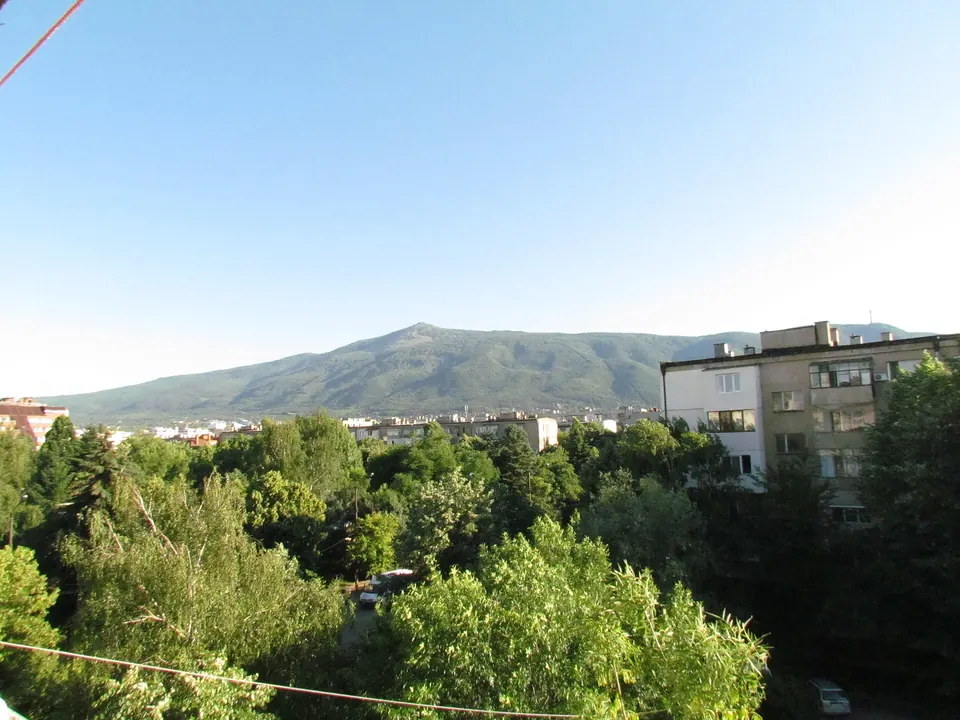
The setting is the other draw. Vitosha Nature Park, whose highest summit, Cherni Vrah, reaches 2,290 m (7,513 ft), starts practically at the city limits. On its edge, the UNESCO-listed Boyana Church holds medieval frescoes. Sofia is also the usual base for a day trip to Rila Monastery, another UNESCO World Heritage Site.
To fit Sofia into a wider route that includes Plovdiv, the Black Sea coast, or the Pirin and Rhodope mountains, see our Bulgaria travel guide.
Sofia sits on a high plateau and has a continental climate. Monthly averages run around 70°F (21°C) in July and just below freezing, about 30°F (-1°C), in January, according to available climate data.
Two to three days cover the historic center, the main museums, and half a day on Vitosha or at Boyana. Add a day for a round trip to Rila Monastery and another if you want to see Plovdiv, Bulgaria's second city. For a day-by-day plan, check our list of things to do in Sofia, Bulgaria.
Travelers from the United States typically reach Sofia Airport (SOF) with a connection through a major European hub, since Sofia is well linked to cities across Europe by full-service and low-cost airlines. From Terminal 2, metro line M4 leaves right from the terminal and runs to downtown, including Serdika station. Buses 84 and 184 serve both terminals. Taxis wait outside; use the official ranks.
Bulgaria is a full member of the Schengen Area. With a U.S. passport, you can stay visa-free for up to 90 days in any 180-day period, and days spent in other Schengen countries count toward that limit. The EU's ETIAS travel authorization is not yet in operation; check the official ETIAS website for the launch date before you fly.
Downtown is very walkable. For longer distances, public transit combines metro, trams, trolleybuses, and buses. Since the switch to the euro, a single ticket costs €0.80 (well under $1), according to the city. Contactless bank cards work on the network; keep your ticket or card until you exit in case of inspection. To reach Vitosha, city buses run to the neighborhoods at the foot of the mountain (Boyana, Dragalevtsi, Simeonovo), where trails and lifts begin.
Bulgaria adopted the euro on January 1, 2026, at a fixed rate of 1.95583 lev to the euro, and the euro has been the only legal tender since February 1, 2026. Old lev notes can no longer be used for payments, though banks still exchange them.
Sofia remains one of the most affordable capitals in the European Union for public transit and eating out. Credit cards are widely accepted in the city, but carry some cash for small shops, markets, and mountain huts. Many churches and outdoor sights are free to visit, which keeps sightseeing costs down. Notify your bank before travel and favor cards without foreign transaction fees.
Wherever you book, check the distance to the nearest metro station: it's the easiest way to cross the city without sitting in traffic.