Destinations
Visiting Greece: How to Plan Your Trip
From the ancient sites of Athens to whitewashed Cycladic villages, the cliff-top monasteries of Meteora and the Minoan palaces of Crete, Greece packs very different landscapes and eras into one country. This guide helps you pick the season, trip length, route and budget, then points you to our in-depth guides.
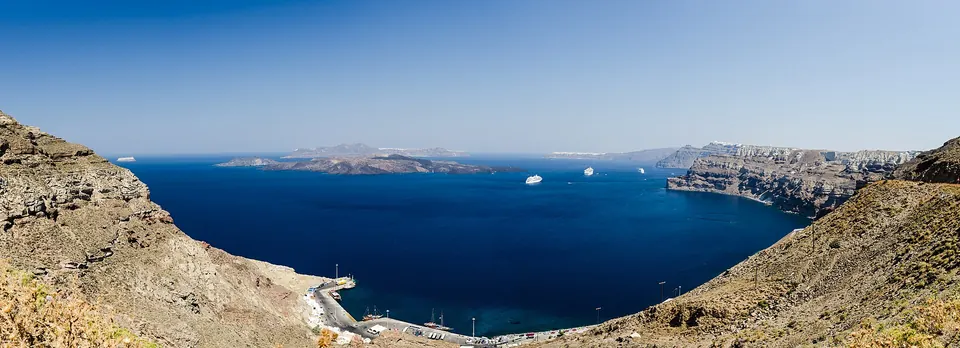
Photo : Norbert Nagel · CC BY-SA 3.0 · Wikimedia Commons
Where to go in Greece

Why visit Greece
Greece is a mountainous mainland wrapped in thousands of miles of coastline, plus island groups that each have their own personality: the bright, windswept Cyclades, the greener Ionian Islands, the Dodecanese close to Turkey and the wooded Sporades. One trip can combine archaeology, hiking, food and beach time without crossing a border.
History is the big draw: the Acropolis and museums of Athens, Delphi, Olympia, Mycenae and Epidaurus in the Peloponnese, and the monasteries perched above Meteora. In July 2025, UNESCO added the Minoan Palatial Centres (including Knossos, Phaistos, Malia and Zakros) to its World Heritage List, one more reason to spend time on the country's largest island. Our complete guide to visiting Crete covers its regions, beaches and Minoan sites.
Away from the busiest routes, Epirus and the Zagori villages, the Mani peninsula, Thessaloniki and the small ferry-only islands show a quieter and often more affordable side of Greece.
Best time to visit Greece
- April–June: the best window for sightseeing and hiking, with green hillsides and lighter crowds. The sea is still cool in spring.
- July–August: peak beach season, intense heat on the mainland, and ferries and hotels in high demand. Book early, especially for Santorini, Mykonos and weekend sailings.
- September–October: warm sea, fewer visitors; often the sweet spot for the islands.
- November–March: great for Athens, Thessaloniki and ancient sites. On many smaller islands, a large share of hotels and restaurants close and ferry schedules thin out.
How long to stay and sample itineraries
The classic mistake is underestimating travel time: hopping between islands often eats half a day. A few well-chosen bases beat moving every night, and jet lag from the US is another reason not to cram day one.
- One week: Athens (2 days) plus one or two nearby Cyclades, or Athens and a Peloponnese loop (Nafplio, Mycenae, Epidaurus).
- 10 days: Athens, Delphi and Meteora on the mainland, or a full week on a big island such as Crete, which easily fills that time on its own.
- Two weeks: Athens, two or three islands in the same group linked by ferry, then a few days on the mainland or in Crete.
Getting there, entry rules and getting around
Athens is the main gateway, with nonstop service from some US hubs (much of it seasonal) and easy one-stop connections through European hubs. In summer, many islands, including Crete, Rhodes, Corfu, Santorini and Mykonos, also have direct flights from other European cities. Metro line 3 links Athens airport to the city center.
Greece is in the Schengen Area: with a US passport you can stay up to 90 days in any 180-day period for tourism without a visa. The EU's Entry/Exit System (EES) now records your fingerprints and photo at the border. The ETIAS travel authorization isn't running yet and has no confirmed launch date, so check the official ETIAS website before you book. Greece uses the euro.
Ferries leave mainly from Piraeus, but also from Rafina and Lavrio, which are closer to the airport for some Cyclades routes. Domestic flights save time for far-flung islands. On the mainland, a rental car is the most flexible way to reach Delphi, Meteora or the Peloponnese; KTEL intercity buses link the main towns.
Budget and taxes to plan for
Prices swing hugely by season and island: Santorini or Mykonos in August is a different world from the Peloponnese in May. A few charges to know:
| Charge | Amount |
|---|---|
| Climate resilience fee (April–October), per room per night | €2 (1–2 star), €5 (3 star), €10 (4 star), €15 (5 star) |
| Same fee, November–March | From €0.50 per night depending on category |
| Cruise passengers going ashore in Santorini or Mykonos (June–September) | €20 per person per port call |
The hotel fee is usually paid on site and isn't always included in online prices; short-term rentals are charged too. For the major archaeological sites, buy tickets on the official ticketing platform and aim for opening time to beat heat and crowds.
Where to stay: main areas
- Athens: Plaka, Koukaki and Monastiraki to walk everywhere around the Acropolis; Piraeus if you have a very early ferry.
- Cyclades: Naxos and Paros as versatile, well-connected bases; Santorini and Mykonos for the iconic views at premium prices; Milos, Sifnos or Folegandros for a slower pace.
- Crete: Chania and Rethymno in the west, Heraklion for Knossos, the east around Agios Nikolaos. See our region-by-region Crete guide.
- Mainland: Nafplio for the Peloponnese, Kalambaka for Meteora, Thessaloniki for the north.
- Ionian Islands and Dodecanese: Corfu, Kefalonia and Rhodes, all well served by summer flights.
For official regional and event information, see the Greek National Tourism Organisation. Our detailed guides below go deeper into each destination.