Destinations
Visit Italy: Your Essential Travel Guide
From Alpine lakes to Sicilian coves, Italy has more UNESCO World Heritage Sites than any other country on Earth. Here is the big picture on seasons, trip length, trains, costs and where to base yourself, before you dive into our detailed guides.
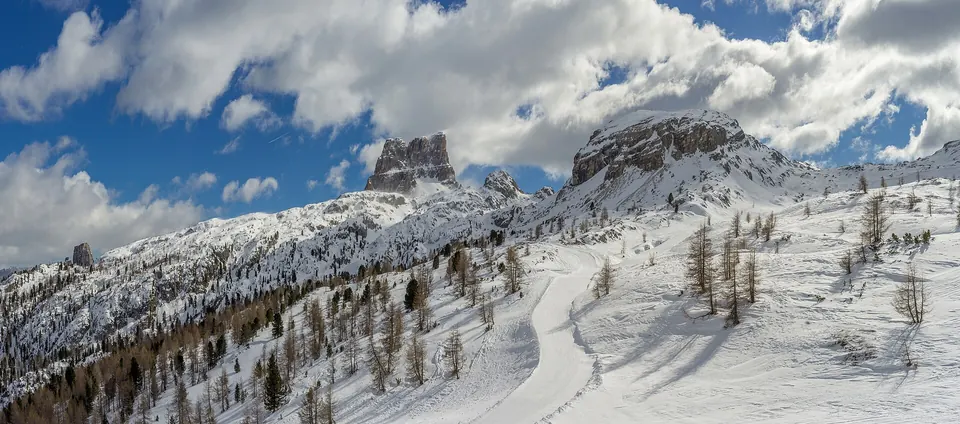
Photo : This Photo was taken by Wolfgang Moroder. Feel free to use my photos, but please mention me as the author and send me · CC BY-SA 3.0 · Wikimedia Commons
Where to go in Italy

Why Visit Italy
Few countries pack so much into such a compact area. Italy has more than 60 sites on the UNESCO World Heritage List, the highest total of any nation. Yet the appeal goes well beyond monuments: every region has its own food, dialect, scenery and pace of life.
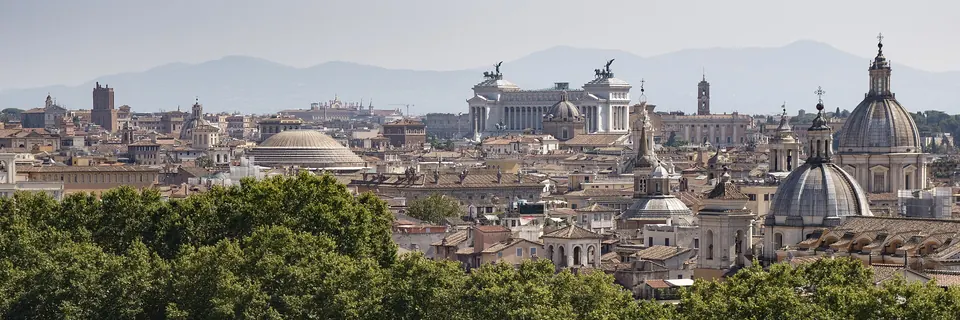
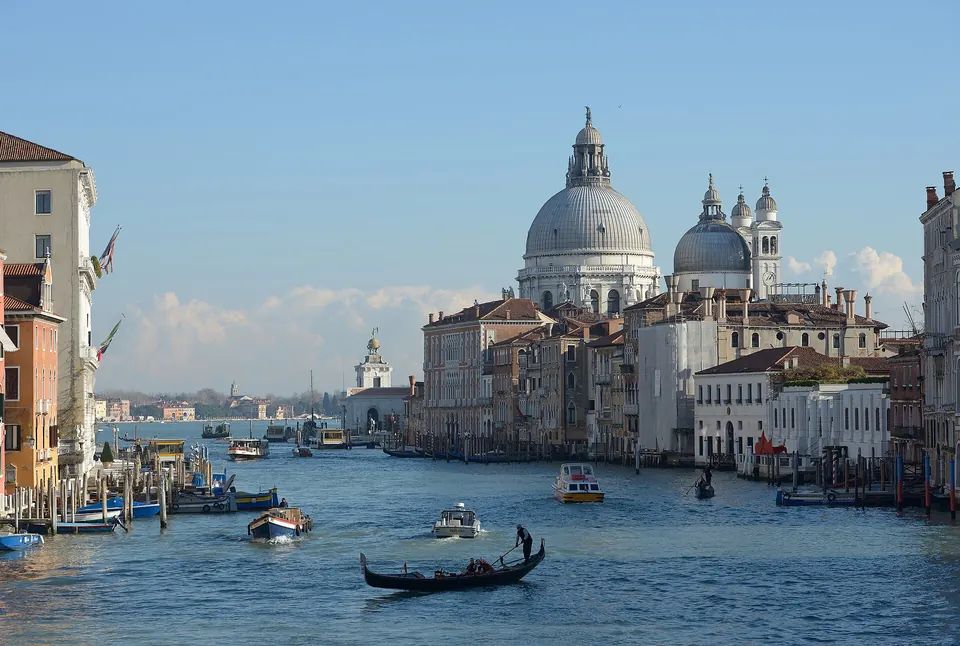
- Art cities: Rome, Florence and Venice, plus Bologna, Turin, Naples and Palermo, each worth several days.
- Landscapes: the Dolomites, the northern lakes (Como, Garda, Maggiore), the hills of Tuscany and Umbria, the Amalfi Coast and Puglia.
- Islands: Sicily and Sardinia, two distinct worlds that justify a trip on their own.
- Food: from Emilia-Romagna's pasta and cured meats to southern seafood, Italian cooking is best explored region by region.
This page covers the essentials; the detailed guides below go deeper into each city and region.
Best Time to Visit Italy
Italy stretches from the Alps to the middle of the Mediterranean, so the climate varies widely between the more continental north and the hotter, drier south and islands.
- Spring (April–June): the best all-around season for cities and countryside, with long days and none of the summer heat.
- Summer (July–August): prime time for beaches and mountains, but expect hot cities, peak prices and crowds. Around August 15 (Ferragosto), many Italians head off on vacation too.
- Fall (September–October): the sea is still pleasant in the south, it's grape-harvest season and the light is soft. An excellent compromise.
- Winter (November–March): quieter museums and lower city prices, plus skiing in the Alps and Dolomites. Many beach resorts and small islands slow down.
How Long to Spend in Italy
After a long transatlantic flight, the temptation is to see everything. Choose two or three areas and give them time instead.
- Five days: one or two cities, such as Rome plus Florence.
- One week: a classic city pair, or one region in depth (Tuscany, Puglia, eastern Sicily).
- 10 to 14 days: the Venice–Florence–Rome triangle plus a side trip (the lakes, Cinque Terre, Naples and the Amalfi Coast).
- Three weeks or more: a north-to-south grand tour, or the mainland combined with an island.
Getting There and Getting Around
From the US, the main gateways are Rome Fiumicino and Milan Malpensa, both served by nonstop flights from several American hubs; Venice, Naples and other cities are easy to reach with a connection in Europe. An open-jaw ticket (fly into Venice, out of Rome, for example) avoids backtracking.
Entry rules for US passport holders: Italy is in the Schengen Area, where you can stay visa-free for up to 90 days in any 180-day period, counting all Schengen countries together. Your passport should be valid for at least three months beyond your planned departure. Since April 10, 2026, the EU's Entry/Exit System (EES) records your fingerprints and photo at the border instead of a passport stamp. The ETIAS travel authorization is scheduled to start in the last quarter of 2026: check the official ETIAS website and the State Department's Italy page before you go.
Once there, trains are the most efficient way between major cities. The high-speed network links Turin, Milan, Venice, Bologna, Florence, Rome and Naples; the fastest Rome–Milan trains take about 3 hours to cover roughly 300 miles (480 km). Trenitalia (Frecciarossa) and Italo compete on these routes, and their cheapest fares are limited, so book early. Regional trains have fixed prices.
A rental car makes sense for rural Tuscany, the Dolomites, Puglia, Sicily or Sardinia. Watch out for ZTLs (limited traffic zones) in historic centers: driving in without a permit triggers fines that can reach you, via your rental company, long after you're home. Ferries and domestic flights serve the islands.
Budget and Local Taxes
Costs depend mostly on season and city. Rome, Venice, Florence, Milan and the Amalfi Coast are noticeably pricier than the interior or much of the south.
- Tourist tax: most cities charge a per-person, per-night tax, set locally and usually paid at your hotel. In Rome it runs from €4 (1-star hotel) to €10 (luxury hotel), for up to 10 consecutive nights.
- Venice: day-trippers pay an access fee on set days. In 2026 it applied on 60 days between April 3 and July 26, 8:30 a.m. to 4 p.m., at €5 if booked at least four days ahead and €10 after that. Check 2027 dates on the City of Venice website.
- Dining: a per-person coperto (cover charge) is common and listed on the menu; tipping is not expected the way it is in the US.
- Major sights: book headline attractions (the Colosseum, the Uffizi, Leonardo's Last Supper) in advance to avoid sold-out time slots.
Where to Stay: Italy by Region
| Area | Best for | Good bases |
|---|---|---|
| Northwest and the lakes | Cities, lakes, mountains | Milan, Turin, Lake Como |
| Northeast and Dolomites | Venice, hiking, skiing | Venice, Verona, Bolzano |
| Central Italy | Art, countryside, food | Florence, Bologna, Siena, Rome |
| The south | Coastline, archaeology, whitewashed towns | Naples, Sorrento, Lecce, Bari |
| The islands | Beaches, nature, island culture | Palermo, Catania, Cagliari |
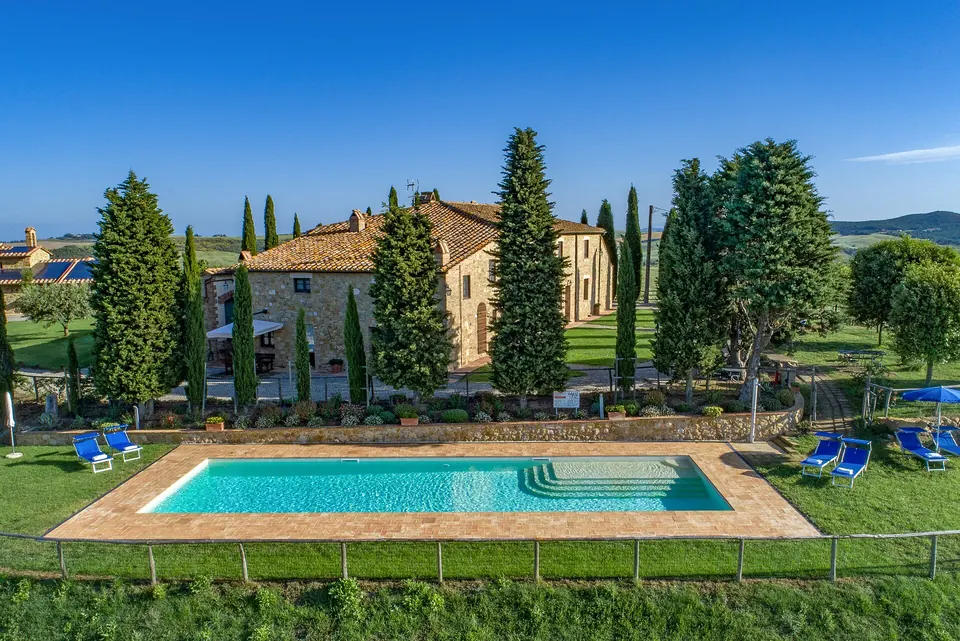
In cities, staying near a main train station makes day trips easy; in the countryside, an agriturismo (farm stay) is a great base for exploring by car. Our detailed guides below take each destination in turn.