 Lisbon
 Airport to City Center: Metro, Taxi, Uber
Terminal 1, passports, a €1.90 metro ride, fixed-price taxis and Uber at P2: what to know when you land in Lisbon.
Portugal
Built on seven hills above the Tagus River, Lisbon rewards walkers with viewpoints, yellow trams and neighborhoods that shift character block by block. Here is the big picture on seasons, trip length, transportation, costs and where to stay, with links to our in-depth guides.
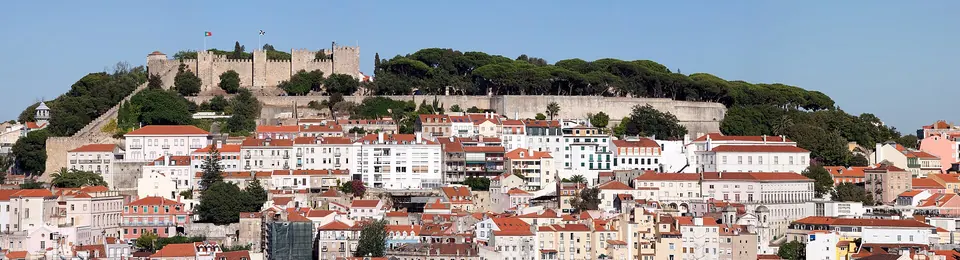
Photo : Massimo Catarinella · CC BY 3.0 · Wikimedia Commons
The capital of Portugal climbs a series of hills facing the Tagus estuary. Its appeal lies in how many distinct neighborhoods sit close together: the medieval lanes of Alfama below São Jorge Castle, the grid of the Baixa rebuilt after the 1755 earthquake, elegant Chiado, nightlife-heavy Bairro Alto, the Manueline monuments of Belém and the contemporary waterfront of Parque das Nações.
Lisbon also makes an easy base for day trips: the palaces of Sintra and the coastal town of Cascais are both reachable by commuter train.
The climate is mild for much of the year. Average highs run around 57–59°F (14–15°C) in January and 81–82°F (27–28°C) in August, the warmest month.
Three days covers the highlights: one day for Alfama, Baixa and Chiado, one for Belém and the riverfront, and one for Bairro Alto, Príncipe Real and the viewpoints. Allow four to five days to add Sintra plus half a day in Cascais or Parque das Nations. For Belém's busiest sights (Jerónimos Monastery and Belém Tower), book a timed slot online ahead of time.
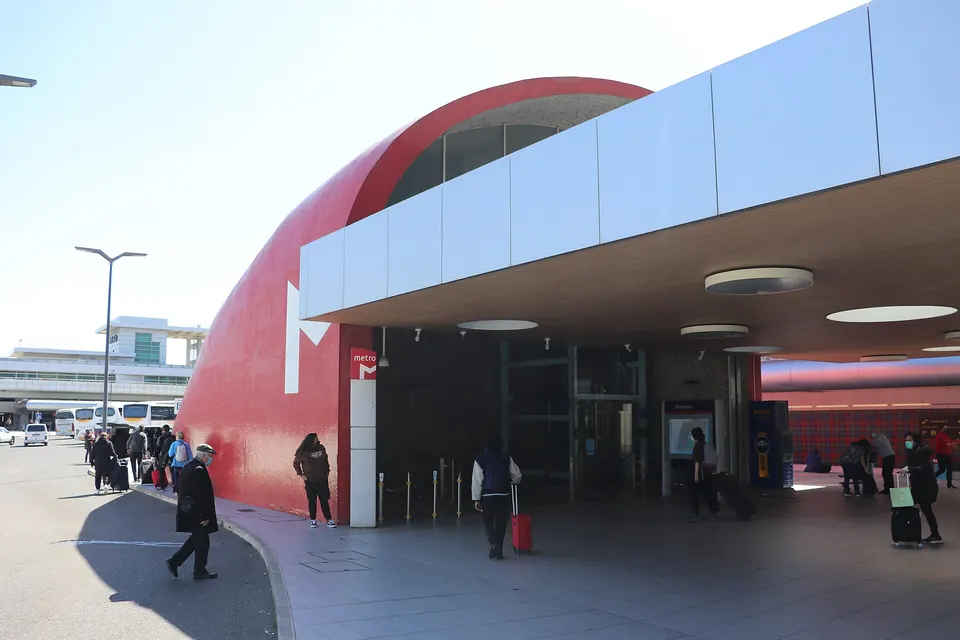
Lisbon is one of the main transatlantic gateways to the Iberian Peninsula, with nonstop service from several US hubs, mostly on the East Coast. Humberto Delgado Airport sits inside the city limits, north of downtown. The red Metro line connects it to the city network, and taxis, Uber and buses are also available. Our guide to getting from Lisbon Airport to the city center by Metro, taxi, Uber or bus compares options, times and fares.
Portugal is in the Schengen Area: US passport holders can stay visa-free for up to 90 days in any 180-day period across all Schengen countries. The EU's Entry/Exit System (EES) now records biometric data at the border. ETIAS, the upcoming travel authorization, is not yet in operation; check the official ETIAS page before you go.
Central Lisbon is walkable, but the steep hills and slick cobblestones are tiring, so pack sturdy shoes. The Metro (4 lines), Carris buses and trams (including the famous Tram 28) and the funiculars cover the city, with fares loaded on a reusable Navegante card. Trains to Sintra (from Rossio station) and Cascais (from Cais do Sodré) each take about 40 minutes.
Lisbon is generally cheaper than many Western European capitals, though central lodging prices have climbed sharply, especially in summer. A few fixed costs to know:
| Item | Approximate price (2026) |
|---|---|
| City tourist tax | €4 per person per night (age 13+, capped at 7 nights) |
| Single Carris/Metro ticket | €1.90 |
| 24-hour Carris/Metro pass | €7.25 |
| Lisboa Card, 24 hours (adult) | from €31 |
The Lisboa Card bundles public transportation (including trains to Sintra and Cascais) with entry to many sights; it pays off if you plan several paid visits a day. Confirm current prices with the official tourism board, Visit Lisboa.