Destinations
Visiting Germany: The Essential Travel Guide
From Berlin's museums and nightlife to half-timbered towns, Bavarian castles and Rhine vineyards, Germany offers remarkable variety and is easy to explore by rail. Here's what you need to choose your season, trip length, bases and budget before diving into our detailed guides.
Photo : Gerda Arendt · CC0 · Wikimedia Commons
Where to go in Germany
Why Visit Germany
Germany is a federal country, and it shows: each state has its own architecture, food, festivals and character. On a single trip you can move from a cultural capital like Berlin to a red-brick Hanseatic old town, then on to wine valleys or the foothills of the Alps. The country has 55 UNESCO World Heritage Sites; the most recent, inscribed in July 2025, is the ensemble of King Ludwig II's palaces in Bavaria (Neuschwanstein, Linderhof, Schachen and Herrenchiemsee).
The other big draw is a dense rail network linking major cities and small historic towns, so most visitors can travel without hiring a car.
Germany's Main Regions at a Glance
Berlin and the East
Berlin combines outstanding museums, 20th-century history and a famous nightlife. Dresden and Leipzig pair easily with the capital; Dresden's Striezelmarkt is often described as the country's oldest Christmas market.
The Hanseatic North
Hamburg, Bremen and Lübeck, whose old town is UNESCO-listed, offer harbours, brick warehouses and access to the North Sea and the Baltic.
The Rhineland and Wine Valleys
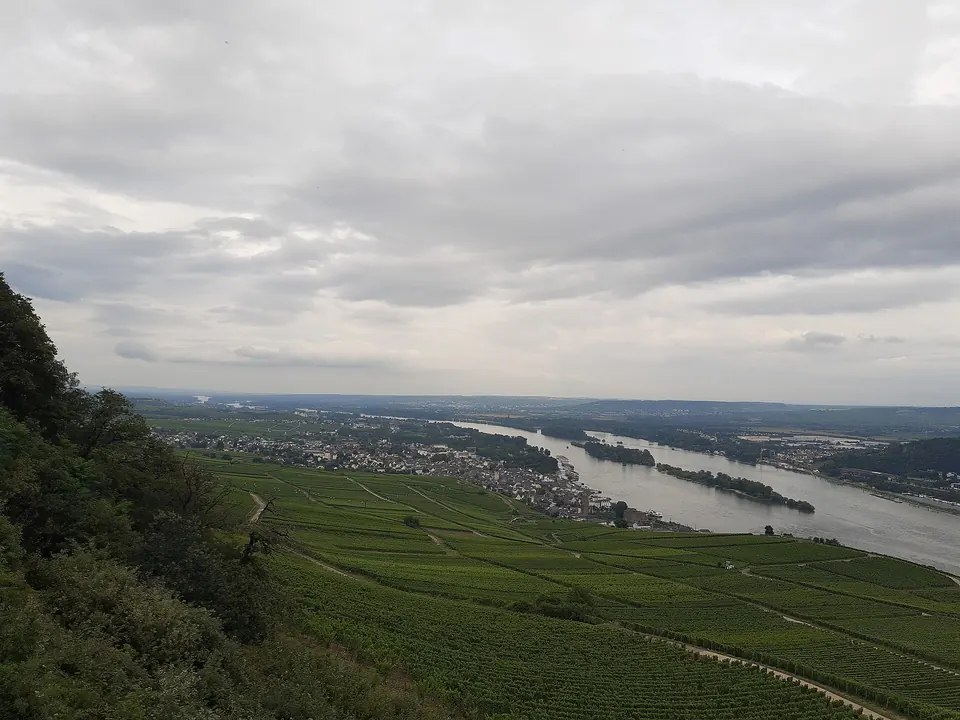
Cologne and its cathedral, Germany's first UNESCO site (1978), the Romantic Rhine and the Moselle Valley make a classic route by train, boat or bike.
Bavaria and the South
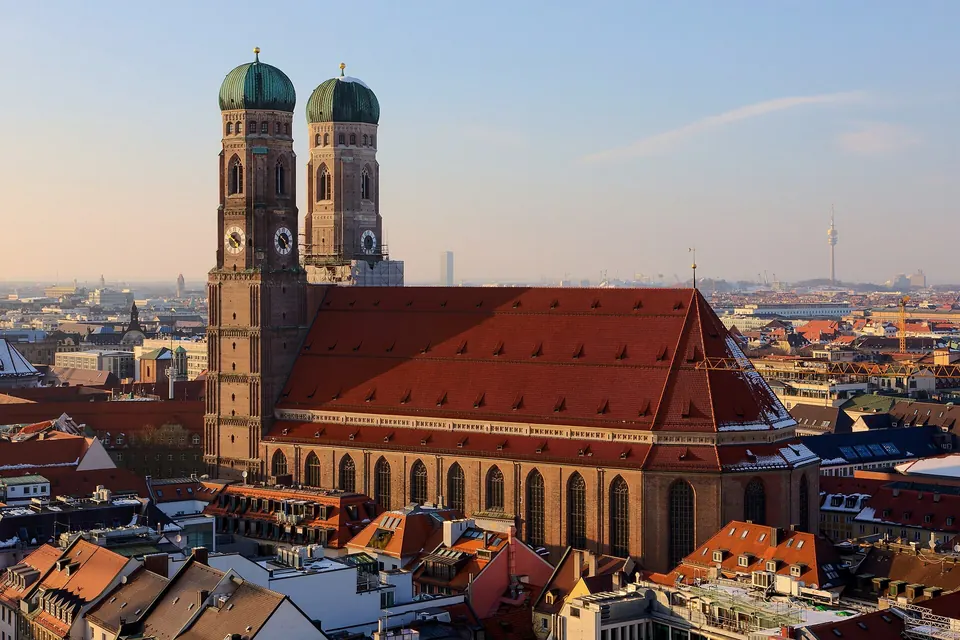
Munich, the Romantic Road, Nuremberg and the Alps attract more international visitors than any other region. Our complete guide to Bavaria covers the cities, Ludwig II's castles and Alpine itineraries. Further west, Baden-Württemberg leads to the Black Forest and Lake Constance.
When to Go
- May to September: the most pleasant months for city breaks, Alpine walks, river cruises and beer gardens. Also peak season.
- Late September to early October: Munich's Oktoberfest runs from 18 September to 3 October 2027, according to the city's official website. Munich accommodation books up quickly.
- Late November to December: Christmas market season, from Nuremberg's Christkindlesmarkt to Dresden and Lübeck, and an easy short break from the UK.
- January to March: low season in the cities, good for museums and lower prices, and ski season in the Bavarian Alps.
How Long to Stay
- A long weekend: one city, such as Berlin, Munich, Hamburg or Cologne.
- One week: two neighbouring regions, for example Munich and Bavaria, or Cologne and the Rhine Valley.
- Two weeks: a rail circuit such as Berlin, Dresden or Leipzig, Nuremberg and Munich, with an extension into the Alps or along the Rhine.
It's better to pick two or three bases and take day trips by train than to change hotel every night.
Getting There and Getting Around
Direct flights link UK airports with Germany's main cities, including Berlin, Munich, Frankfurt and Hamburg. If you'd rather go overland, take the Eurostar to Brussels and connect to German high-speed trains towards Cologne and Frankfurt.
Germany is in the Schengen area. Since Brexit, British citizens can stay up to 90 days in any 180-day period without a visa, and days spent in other Schengen countries count towards the limit. Your passport must have been issued less than 10 years before you arrive and be valid for at least 3 months after the day you plan to leave. On your first entry you may need to register your fingerprints and photo under the EU's Entry/Exit System. Always check the latest GOV.UK entry requirements for Germany before you travel.
Deutsche Bahn runs the long-distance ICE and IC trains. For regional trains and local transport, the Deutschlandticket costs €63 a month in 2026; it's sold only as a subscription and doesn't cover long-distance trains. An increase has been announced for 2027, so check the current fare in Deutsche Bahn's official FAQ. A car remains useful for the Alps, the Black Forest or small wine roads.
Budget and Where to Stay
Costs depend mainly on the city and season: Munich during Oktoberfest, or trade-fair cities during major exhibitions, are much pricier than Leipzig or Dresden midweek. To keep spending under control:
- book ICE tickets early, as discounted fares are limited;
- use regional trains with the Deutschlandticket for day trips;
- stay near the main railway station (Hauptbahnhof) to save time between journeys.
Where to stay by area: in Berlin, Mitte for sightseeing on foot, Kreuzberg or Prenzlauer Berg for neighbourhood life; in Munich, the Old Town or Maxvorstadt; in the Rhine Valley, small riverside towns rather than a big city; in winter, book early in towns known for their Christmas markets.