 Sofia
Sofia Itinerary: What to See in 2 to 3 Days
Two days for the historic centre, a third for Boyana, Vitosha or Rila: the essentials for visiting Sofia, with prices in euros.
Bulgaria
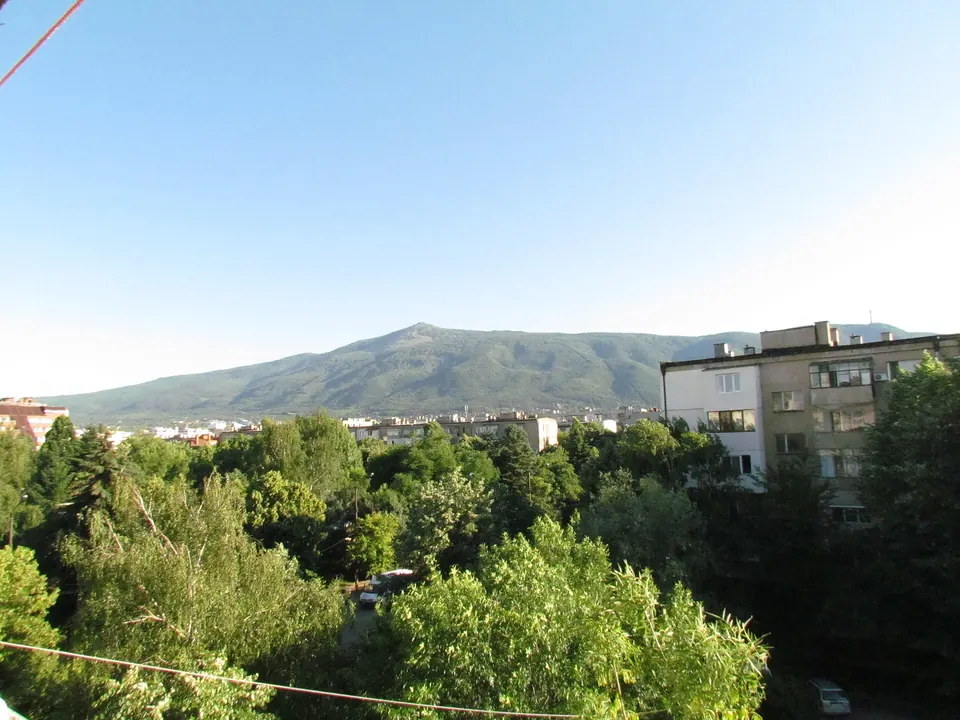
Set beneath Vitosha mountain, Bulgaria's capital fits Roman ruins, Orthodox churches, an Ottoman mosque and socialist-era architecture into a handful of walkable streets. Here is what you need to choose a season, decide how long to stay, pick a neighbourhood and get around, before heading into our detailed guides.
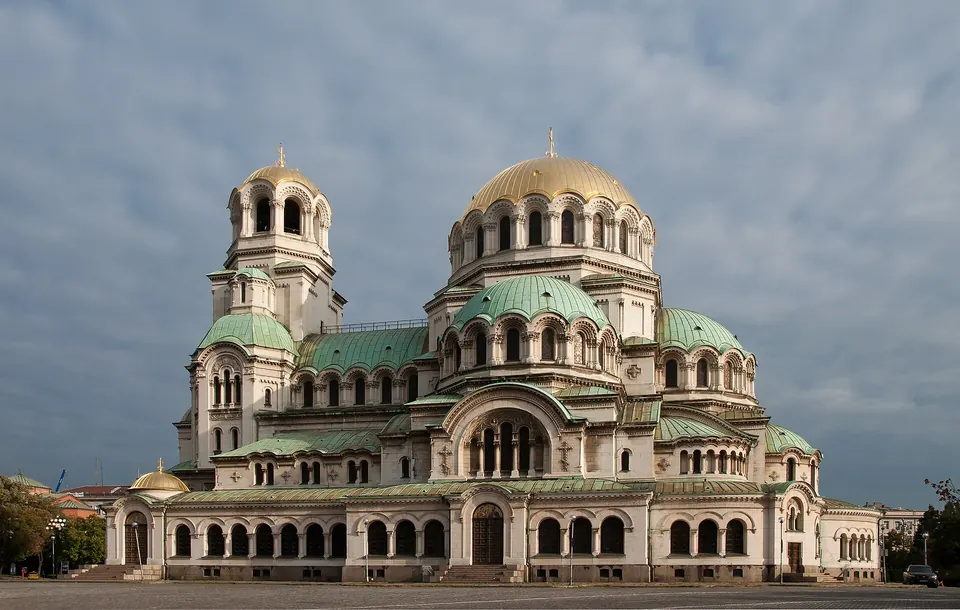
Photo : Jordani_av · CC BY 3.0 · Wikimedia Commons
Sofia suits travellers who enjoy history in layers. In the city centre, remains of ancient Serdica surface in underpasses and around Serdika metro station, a few steps from the Rotunda of St George, the Banya Bashi Mosque and the synagogue. A short stroll away, the gilded domes of Alexander Nevsky Cathedral dominate the skyline. Add good museums, large parks and a busy café and restaurant scene along Vitosha Boulevard, and you have a capital that is easy to explore on foot.
The setting is the other attraction. Vitosha Nature Park, whose highest summit, Cherni Vrah, rises to 2,290 m, begins practically at the edge of the city. On its fringes, the UNESCO-listed Boyana Church holds medieval frescoes. Sofia is also the usual base for a day trip to Rila Monastery, another UNESCO World Heritage Site.
To fit Sofia into a longer route taking in Plovdiv, the Black Sea coast or the Pirin and Rhodope mountains, see our Bulgaria travel guide.
Sofia sits on a high plateau and has a continental climate. Monthly averages are around 21°C in July and just below freezing in January, according to available climate data.
Two to three days cover the historic centre, the main museums and half a day on Vitosha or at Boyana. Add a day for a return trip to Rila Monastery, and another if you want to see Plovdiv, Bulgaria's second city. For a day-by-day plan, follow our Sofia itinerary for 2 to 3 days.
London has direct flights to Sofia Airport (SOF), including from Heathrow, Luton and Stansted, operated by both full-service and low-cost carriers; schedules change by season, so check the airlines' own timetables. From Terminal 2, metro line M4 leaves straight from the terminal and runs to the centre, including Serdika station. Buses 84 and 184 serve both terminals. Taxis wait outside; use the official ranks.
Bulgaria is a full member of the Schengen area. Since Brexit, British passport holders can visit visa-free for up to 90 days in any 180-day period, and time spent in other Schengen countries counts towards that limit. Your passport must meet EU validity rules, and the EU Entry/Exit System records biometric data at the border. Check the latest GOV.UK travel advice for Bulgaria before you go.
The centre is very walkable. For longer journeys, public transport combines metro, trams, trolleybuses and buses. Since the switch to the euro, a single ticket costs €0.80, according to the city authorities. Contactless bank cards are accepted on the network; keep your ticket or card until you exit in case of inspection. To reach Vitosha, city buses run to the districts at the foot of the mountain (Boyana, Dragalevtsi, Simeonovo), where trails and lifts begin.
Bulgaria adopted the euro on 1 January 2026, at a fixed rate of 1.95583 lev to the euro, and the euro has been the only legal tender since 1 February 2026. Old lev notes can no longer be used to pay, although banks still exchange them.
Sofia remains one of the most affordable capitals in the European Union for public transport and eating out. Cards are widely accepted in the city, but carry some cash for small shops, markets and mountain huts. Many churches and outdoor sights are free, which keeps sightseeing costs low. A card without foreign transaction fees will save you money on every payment.
Wherever you book, check how far it is to the nearest metro station: it is the simplest way to cross the city without getting stuck in traffic.