Destinations
Visiting Bulgaria: The Essential Travel Guide
Frescoed monasteries, Roman and Ottoman-era towns, the Rila and Pirin mountains and a long Black Sea coastline: Bulgaria fits an extraordinary range of scenery and history into a compact country. Short, frequent flights from the UK and the switch to the euro on 1 January 2026 make it simpler than ever to organise.
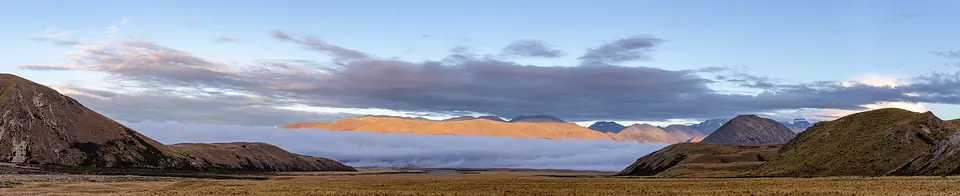
Photo : Michal Klajban · CC BY-SA 4.0 · Wikimedia Commons
Where to go in Bulgaria
Why Visit Bulgaria
Bulgaria has three big draws: heritage, mountains and the coast. The country counts 10 UNESCO World Heritage Sites, among them Rila Monastery, Boyana Church, the Ancient City of Nessebar, the Madara Rider, the Rock-Hewn Churches of Ivanovo and Pirin National Park.
Most trips are built around a few key bases:
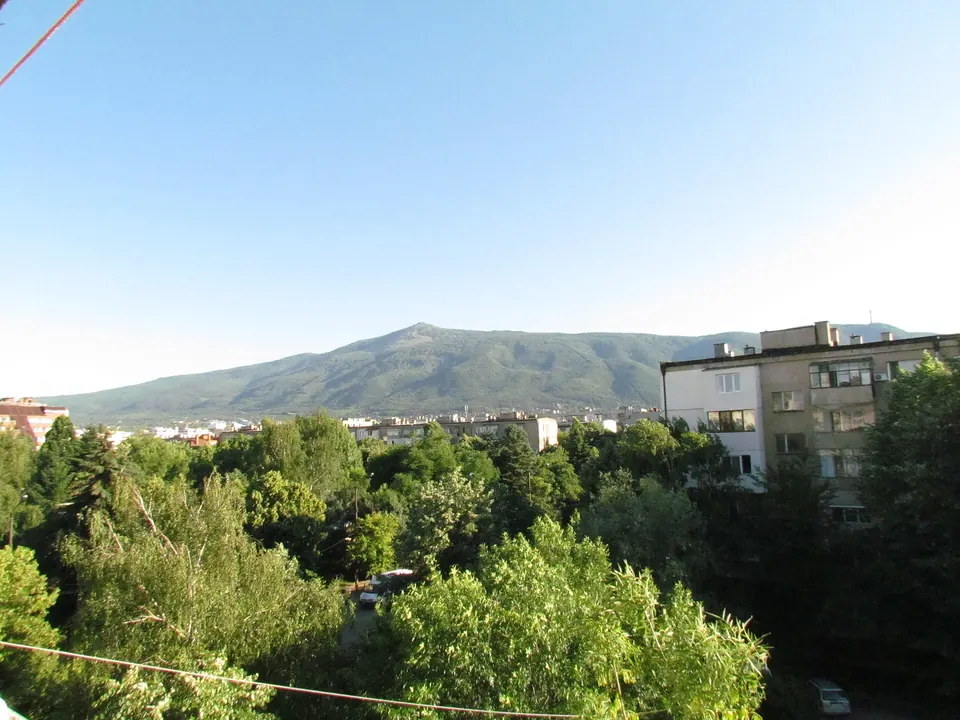
- Sofia, the capital, with Alexander Nevsky Cathedral, ancient remains in the city centre and Vitosha mountain on its doorstep. Our complete guide to visiting Sofia covers districts, sights and day trips.
- Plovdiv, with its old town of National Revival houses and its Roman theatre.
- Veliko Tarnovo, a medieval capital overlooked by Tsarevets Fortress.
- The mountains: Rila (the monastery and glacial lakes), Pirin (Bansko) and the Rhodopes, for summer walking and winter skiing.
- The Black Sea: Varna, Burgas, Nessebar and Sozopol, where beaches meet historic old towns.
When to Go
Bulgaria has clearly defined seasons. May–June and September–October are ideal for a cultural tour, with mild weather and fewer crowds. Summer (June to September) is Black Sea season, with July and August the busiest months. In winter, the ski resorts of Bansko, Borovets and Pamporovo usually open around December and close between mid- and late April, snow permitting. For high-level walking in Rila or Pirin, July to September is the most reliable window.
How Long to Stay
- A long weekend (3–4 days): Sofia, Boyana Church and a day trip to Rila Monastery.
- One week: Sofia, Rila, Plovdiv and Veliko Tarnovo, or Sofia followed by a few days on the Black Sea.
- Ten days to a fortnight: the full circuit of Sofia, Rila, Plovdiv, the Rhodopes, Veliko Tarnovo and Varna or Burgas, with a night or two in the mountains.
Getting There and Getting Around
Flights: a direct flight from London to Sofia takes around three hours, with low-cost carriers serving the capital and summer routes to Varna and Burgas on the coast. Plovdiv, the smallest of the four international airports, has a handful of Ryanair connections. There is no direct train from the UK, so the Eurostar only makes sense as the first leg of a long overland journey.
Entry rules after Brexit: Bulgaria has been a full Schengen member since 1 January 2025. British passport holders can stay visa-free for up to 90 days in any 180-day period, with time spent elsewhere in Schengen counting towards the limit. Your passport must have been issued less than 10 years before you arrive and remain valid for at least three months after you plan to leave the Schengen area. On first entry you will register your fingerprints and photo under the EU Entry/Exit System (EES), so allow extra time at the border. ETIAS is not yet operating. Check the latest GOV.UK travel advice for Bulgaria before you travel.
Getting around:
- Rail: the state operator BDZ links Sofia with Plovdiv, Burgas, Varna, Ruse and Vidin, including sleeper trains to the coast. Journeys are often slower than by road.
- Coaches: a dense intercity network that is often quicker; Sofia's Central Bus Station is next to the main railway station.
- Driving: the best option for monasteries and the Rhodopes. Bulgaria drives on the right. The Trakia motorway (Sofia–Plovdiv–Burgas) and Hemus motorway (towards Varna) are the main routes. An electronic vignette is compulsory: since 1 August 2026, a car costs €5.30 a day, €6.60 for a weekend, €10 a week or €19.90 a month.
Budget and Currency
Bulgaria adopted the euro on 1 January 2026 at a fixed rate of €1 = 1.95583 lev, and the euro has been the sole legal tender since 1 February 2026. You may still see dual euro/lev pricing, which was compulsory until 8 August 2026. Cards are widely accepted in towns, but keep some cash for villages, monasteries and small guesthouses. Sterling is easy to exchange at banks and licensed bureaux, and you must declare cash of €10,000 or more when entering or leaving.
Prices vary considerably by season and location: the coast in high summer and the ski resorts in peak season are noticeably dearer than inland towns out of season. Book early for July and August on the Black Sea.
Where to Stay: Main Areas
- Sofia: a practical base for your first days and trips to Rila and Boyana; stay central to get around on foot or by metro.
- Plovdiv: the old town and the Kapana quarter for character, right in the centre of the country.
- Veliko Tarnovo: the obvious stop in the north, between Sofia and the coast.
- Mountains: Bansko (Pirin) or Borovets (Rila) in winter, Rhodope villages in summer.
- Black Sea: Varna in the north; Burgas, Nessebar and Sozopol in the south. Pick the old towns over large resort complexes if you prefer to explore on foot.
Worth knowing: Bulgarian uses the Cyrillic alphabet, although tourist signage is often also in Latin script. The detailed guides below explore each stop in depth.