Destinations
Visiting Portugal: The Essential Holiday-Planning Guide
From Lisbon's hilltop neighbourhoods to the terraced vineyards of the Douro, Portugal packs historic cities, wine country and Atlantic beaches into a country that's easy to travel by train. Here's what you need to choose your season, trip length, route and budget before diving into our detailed guides.
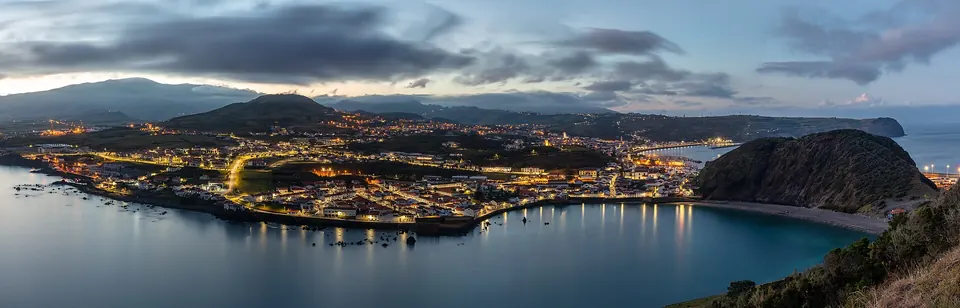
Photo : Diego Delso · CC BY-SA 4.0 · Wikimedia Commons
Where to go in Portugal


Why visit Portugal
Mainland Portugal runs along the Atlantic, from the green Minho region in the north to the cliffs and beaches of the Algarve in the south. Two archipelagos, Madeira and the Azores, complete the picture and are best enjoyed as holidays in their own right. The country's great strength is its compact size: in a single trip you can move from a historic capital to terraced vineyards and on to the coast without lengthy transfers.
Two cities anchor most itineraries. Lisbon, with its steep neighbourhoods, old trams and Tagus waterfront, is the gateway to Sintra, Cascais and the Setúbal peninsula. In the north, Porto, with its Ribeira quayside and port wine lodges, opens the way to the Douro Valley. In between lies the university city of Coimbra; to the east, the rolling Alentejo and the city of Évora; to the south, the Algarve's indented coastline.
When to go to Portugal
Spring (April to June) and early autumn (September and October) strike the best balance: pleasant temperatures, long days and fewer crowds than in high summer.
- Summer: beach season, but also busy resorts in the Algarve and fierce heat inland, particularly in the Alentejo and the Douro. In Lisbon, the average August maximum is around 28°C according to airport climate normals from Portugal's weather service (IPMA); the Atlantic stays cool.
- Autumn: harvest time in the Douro, ideal for combining a city break with wine country.
- Winter: mild on the coast but wetter, especially in the north. A good season for a city break in Lisbon or Porto at gentler prices.
How long to spend
A long weekend suits one city, so pick Lisbon or Porto. In a week, the classic Lisbon-and-Porto pairing works well, with a day trip to Sintra and, ideally, a day in the Douro. With 10 to 14 days, add Coimbra en route, a few nights in the Alentejo or some beach time in the Algarve. Madeira and the Azores deserve a dedicated holiday rather than a quick detour.
Getting there and getting around
Lisbon, Porto and Faro (for the Algarve) are served by direct flights from a wide range of UK airports, including many regional ones. Flying into one city and home from another saves doubling back.
Entry rules after Brexit: British citizens can visit Portugal and the rest of the Schengen area visa-free for up to 90 days in any 180-day period. Your passport must have been issued less than 10 years before you arrive and have an expiry date at least three months after the day you plan to leave. Under the EU's Entry/Exit System (EES), you may need to register fingerprints and a photo at the border, so allow extra time. Check the latest GOV.UK entry requirements for Portugal before you travel.
Once there, the train is the simplest way between the main cities: the Alfa Pendular run by Portuguese Railways (CP) links Lisbon and Porto in roughly 2 hours 40 minutes to 3 hours depending on station and stops, with the Intercidades slightly slower. In town, metro, trams and buses cover most needs. A hire car comes into its own in the Alentejo, the Douro Valley or the western Algarve; some motorways use electronic-only tolls, so check the arrangements with your hire company.
Budget: useful benchmarks
Portugal often works out cheaper than its Western European neighbours, but prices vary widely. Lisbon, Porto and the Algarve in July and August are the most expensive for accommodation, while the interior and the low season are far kinder to your budget.
- Tourist tax: €4 per person per night in Lisbon (from age 13, capped at 7 nights) and €3 in Porto (capped at 7 nights). Other towns charge one too; check when booking.
- Public transport: a rechargeable card (Navegante in Lisbon, Andante in Porto) is better value than single tickets.
- Eating out: the daily set menu in neighbourhood restaurants is the best-value way to eat well.
Where to stay: the main areas
Lisbon: the central districts (Baixa, Chiado, Alfama) keep everything walkable, hills notwithstanding; our complete Lisbon guide covers each neighbourhood. Porto: staying between the Baixa and the Ribeira puts you at the heart of the city, with the port lodges of Vila Nova de Gaia just across the river, as set out in our guide to visiting Porto. Douro Valley: wine estates (quintas) offer rooms among the vines. Alentejo: Évora makes a handy base. Algarve: Faro for its airport and station, Lagos in the west, Tavira in the east.
For itinerary ideas and cultural background, the official Visit Portugal website is a useful companion to our guides.