 Lisbon
 Airport to City Centre: Metro, Taxi, Uber
Terminal 1, passports, a €1.90 metro ride, fixed-price taxis and Uber at P2: what to know when you land in Lisbon.
Portugal
Spread over seven hills above the Tagus, Lisbon is a city of viewpoints, yellow trams and neighbourhoods that change mood from one street to the next. This guide sets out seasons, trip length, transport, costs and where to stay, then points you to our detailed guides.
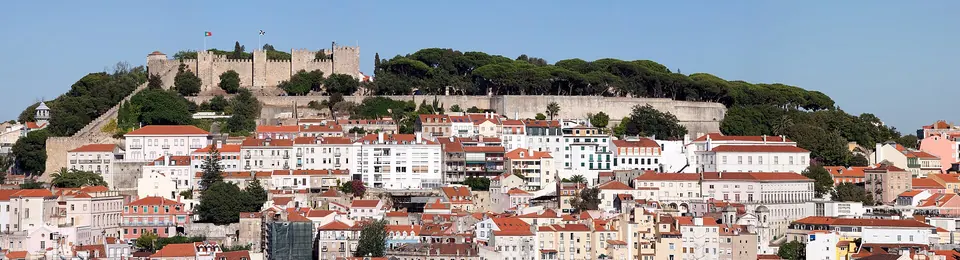
Photo : Massimo Catarinella · CC BY 3.0 · Wikimedia Commons
The capital of Portugal rises in tiers above the Tagus estuary. What sets it apart is the number of distinct neighbourhoods packed close together: the medieval alleys of Alfama beneath São Jorge Castle, the Baixa grid rebuilt after the 1755 earthquake, stylish Chiado, lively Bairro Alto, the Manueline monuments of Belém and the modern riverside of Parque das Nações.
It is also a convenient base for day trips: Sintra's palaces and the seaside town of Cascais are both a short suburban train ride away.
The climate is mild for most of the year. Average highs sit around 14–15°C in January and 27–28°C in August, the warmest month.
Three days is enough for the highlights: one day for Alfama, Baixa and Chiado, one for Belém and the riverside, one for Bairro Alto, Príncipe Real and the miradouros. Allow four to five days to add Sintra and half a day in Cascais or Parque das Nations. For Belém's busiest sights (Jerónimos Monastery and Belém Tower), book a timed slot online in advance.
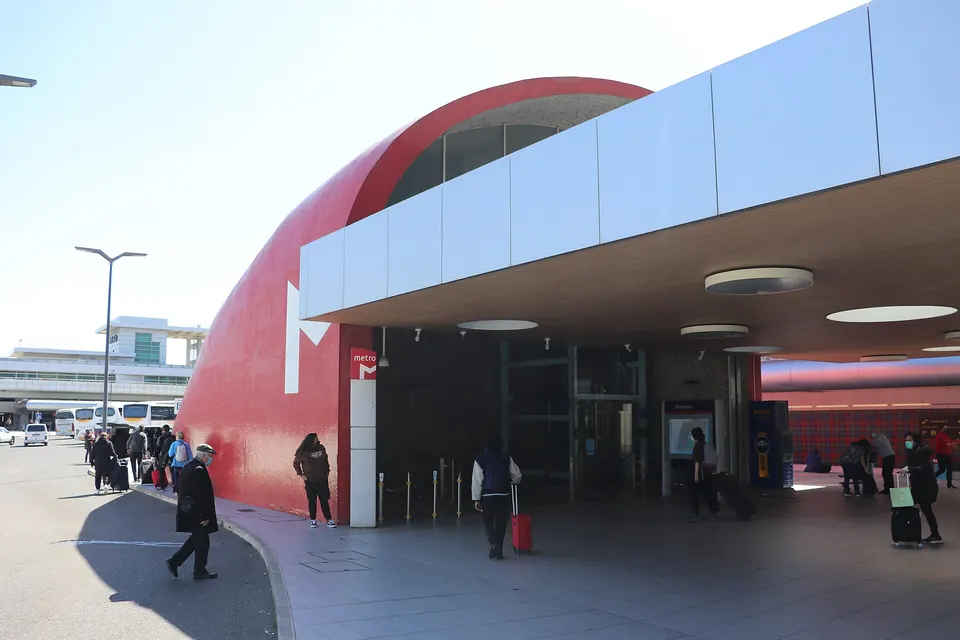
Lisbon is well served by direct flights from London and a number of UK regional airports. Humberto Delgado Airport lies within the city, north of the centre, and the red Metro line links it to the urban network; taxis, Uber and buses are the alternatives. Our guide to getting from Lisbon Airport to the city centre by Metro, taxi, Uber or bus compares options, journey times and fares.
British passport holders can stay visa-free in the Schengen Area, including Portugal, for up to 90 days in any 180-day period. Your passport must have been issued less than 10 years before arrival and be valid for at least 3 months after the day you plan to leave. The EU's Entry/Exit System (EES) means fingerprints and a photo may be taken at the border, so allow extra time. Check the latest GOV.UK entry requirements for Portugal before you travel.
The centre is walkable, but steep hills and polished cobbles take their toll, so wear sturdy shoes. The Metro (4 lines), Carris buses and trams (including the well-known Tram 28) and the funiculars cover the city, with fares loaded onto a reusable Navegante card. Trains to Sintra (from Rossio) and Cascais (from Cais do Sodré) each take around 40 minutes.
Lisbon is generally cheaper than many Western European capitals, although central accommodation has become much more expensive, especially in summer. A few fixed costs worth knowing:
| Item | Approximate price (2026) |
|---|---|
| City tourist tax | €4 per person per night (aged 13+, capped at 7 nights) |
| Single Carris/Metro ticket | €1.90 |
| 24-hour Carris/Metro ticket | €7.25 |
| Lisboa Card, 24 hours (adult) | from €31 |
The Lisboa Card combines public transport (including trains to Sintra and Cascais) with entry to many sights; it is worth it if you plan several paid visits a day. Check current prices with the official tourist board, Visit Lisboa.