 Finland
Best Time to Visit Finland: Month-by-Month Guide
June-Aug for summer and midnight sun; late Aug-early Apr for auroras; Feb-Mar for snow.
Destinations
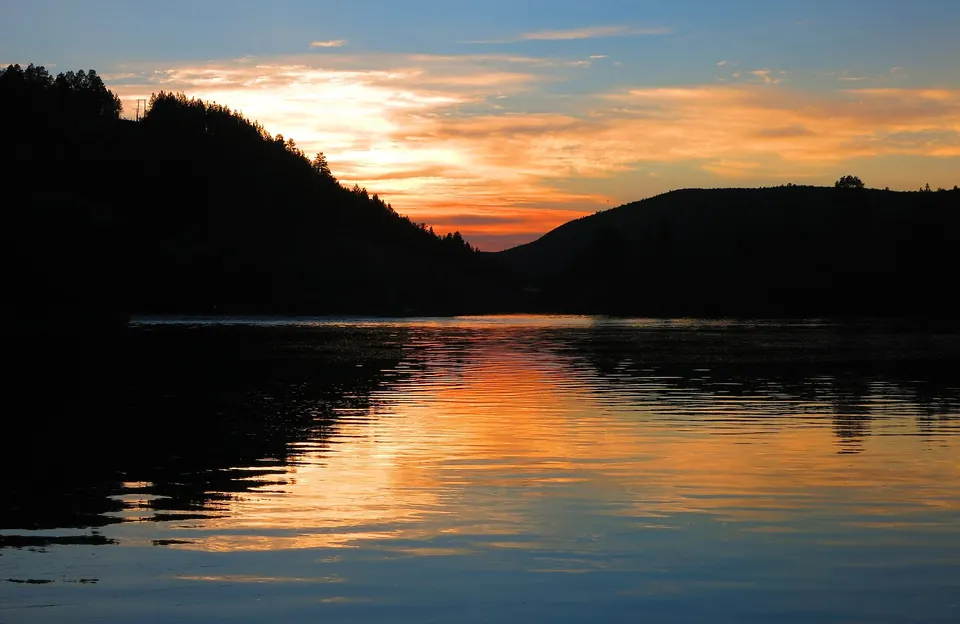
Countless lakes, forests open to all, the northern lights in winter and the midnight sun in summer: Finland is two entirely different holidays depending on the season. This guide sets out the essentials for choosing when to go, planning a route between Helsinki, Lakeland and Lapland, and budgeting sensibly.
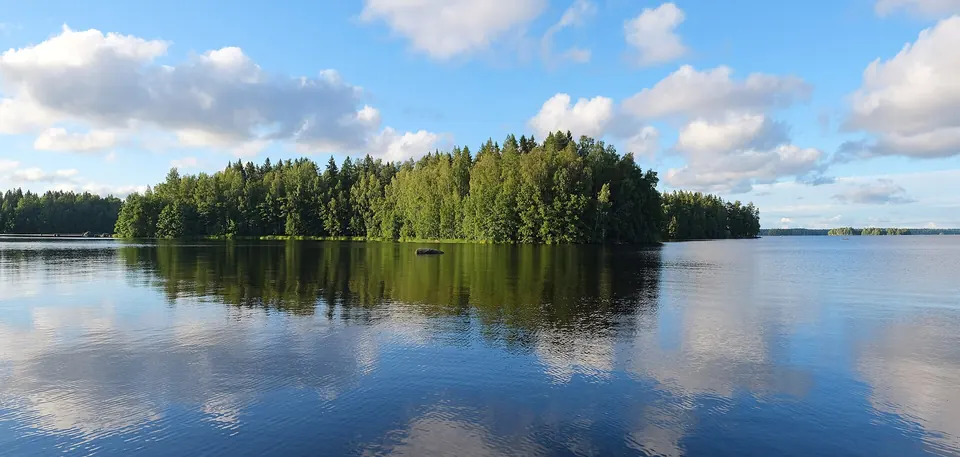
Photo : kallerna · CC BY-SA 4.0 · Wikimedia Commons
Finland is first and foremost a nature destination. The Finland Promotion Board counts around 188,000 lakes, and the country has 41 national parks, all managed by Metsähallitus (Parks & Wildlife Finland), according to its official website. Waymarked trails, wilderness huts and campfire sites abound, so walking, canoeing and cross-country skiing are accessible even to beginners.
Finland's "everyman's right" (jokamiehenoikeus) allows you to roam, pick berries and mushrooms, and camp briefly in the countryside, provided you respect the rules and private land. Add a design-led seaside capital, Helsinki, a sauna culture central to everyday life, and Sámi culture in the far north.
Finland offers two very different holidays:
Autumn colours (ruska) and snowy spring make good shoulder seasons. For a month-by-month breakdown, see our guide to the best time to visit Finland.
Distances are considerable, so allow for at least one overnight train or a domestic flight to reach Lapland.
Finnair flies year-round to Helsinki from London Heathrow, Manchester and Edinburgh, and its codeshare with British Airways allows connections from other UK airports via Heathrow. Winter also brings seasonal flights to Lapland. From Helsinki Airport, the commuter train reaches the city centre in about 30 minutes, according to transport operator HSL. Travelling overland via the Eurostar is possible but long, finishing with a Baltic ferry.
Finland is in the Schengen area: British citizens can visit without a visa for up to 90 days in any 180-day period, with time in other Schengen countries counting towards the total. Your passport must have been issued less than 10 years before arrival and be valid for at least 3 months after you leave. The EU's Entry/Exit System (EES) is being rolled out, so you may have to register fingerprints and a photo. Check the latest GOV.UK entry requirements for Finland before travelling, including any update on ETIAS, which is not yet in operation.
Finland uses the euro, and prices are high for accommodation, eating out and especially guided activities in Lapland (husky and snowmobile safaris), which are best booked early for Christmas. A few benchmarks and tips:
| Region | Best for | Highlights |
|---|---|---|
| Helsinki and the south coast | First visit, city break | Design, museums, saunas, Suomenlinna, day trips to Porvoo |
| Turku and the archipelago | Summer, cycling, boating | Former capital, islands, Archipelago Trail, Åland |
| Lakeland (Saimaa, Tampere, Savonlinna) | Summer nature, cottages | Canoeing, lake cruises, Olavinlinna Castle |
| Lapland (Rovaniemi, Levi, Saariselkä, Inari) | Winter, aurora, walking | Snow, polar night, midnight sun, Sámi culture |
Rovaniemi is the best-connected base; Inari and Saariselkä, further north, offer darker skies and better aurora odds. In summer, a lakeside cottage remains the quintessential Finnish experience.
Pack for the season: in winter, proper layers, insulated boots, gloves and a hat; in summer, insect repellent for wetlands and Lapland. For official regional information and inspiration, Visit Finland is the reference.