 United Kingdom
How Many Days in Wales? Itinerary, Castles and Tips
UNESCO castles, Eryri and the Pembrokeshire coast: Wales takes 5 to 7 days and is under two hours by train from London.
Destinations
Four nations, one rail network: in a few hours you can swap London's free museums for Welsh castles or the Scottish Highlands. Here's the overview you need to choose your regions, time your trip and get around without overspending.
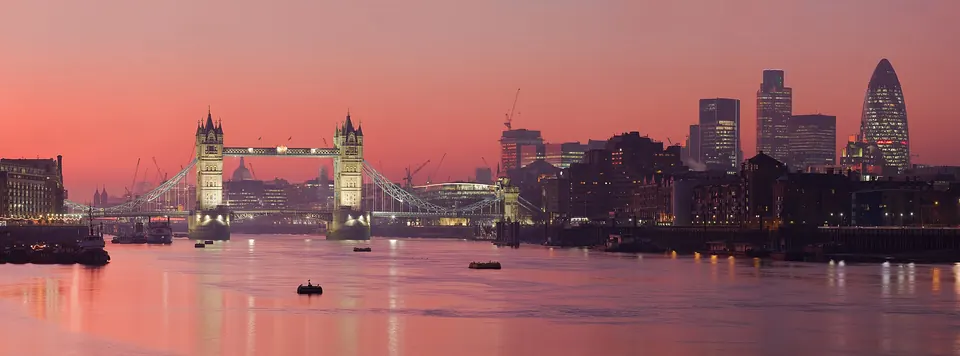
Photo : Diliff · CC BY 3.0 · Wikimedia Commons
For a holiday at home, the UK offers far more variety than its size suggests. Its four nations, England, Scotland, Wales and Northern Ireland, each have their own landscapes, languages and traditions: a world capital, university cities such as Oxford and Cambridge, the honey-coloured villages of the Cotswolds, the lakes and fells of the Lake District, the Highlands and islands, and the Giant's Causeway on the Northern Irish coast.
Culture needn't cost much either: many national museums, including the British Museum and the National Gallery, are free to visit for their permanent collections. Beyond the cities, there are national parks, long-distance coastal paths and heritage sites in every corner.
The weather is famously changeable, with rain possible in any month, so layers and a waterproof are essential whatever the season. Late spring and summer (May to September) bring the longest days, ideal for walking and for Scotland, where June evenings stay light very late. School summer holidays push up prices and crowds in July and August, particularly in Cornwall, the Lake District and Edinburgh during the August festivals.
Spring and early autumn are the sweet spot for cities and countryside alike, outside half-term weeks. Winter suits city breaks (museums, theatre, Christmas markets), but daylight is short in the north and some rural attractions reduce their opening hours.
Slow travel pays off: journeys through rural areas usually take longer than the map suggests, and single-track roads in the Highlands and Wales are slow going.
Rail is the most relaxing way between cities. Book long-distance tickets in advance for the best fares, and check whether you qualify for a railcard, which typically saves a third on most rail fares. Coaches are cheaper but slower. For the countryside, a car gives the most freedom; ferries serve the Scottish islands, and Northern Ireland is reached by ferry or a short domestic flight.
If friends or family are coming from overseas, remember that most non-British visitors, including EU and US citizens, now need an Electronic Travel Authorisation (ETA). It costs £20, covers visits of up to six months and is valid for two years or until the passport expires. Irish citizens are exempt. Point them to the official GOV.UK ETA guidance to avoid lookalike sites. If you're adding a hop across the Channel, Eurostar runs from London St Pancras to Paris in just over two hours; check the GOV.UK foreign travel advice for post-Brexit entry rules in your next destination.
London is by far the most expensive place to stay; prices fall noticeably in northern England, Wales and outside school holidays. To keep costs down: use free national museums, book trains early with a railcard, eat a pub lunch rather than a restaurant dinner, and travel midweek, when city hotels are often cheaper. Contactless payment works on London public transport and is accepted almost everywhere.
Explore our detailed regional guides and itineraries below to plan each stage of your trip.