Destinations
Visit Italy: Your Essential Travel Guide
From Alpine lakes to Sicilian coves, Italy holds more UNESCO World Heritage Sites than any other country. Here is the overview on seasons, trip length, trains, costs and where to base yourself, before you explore our detailed guides.
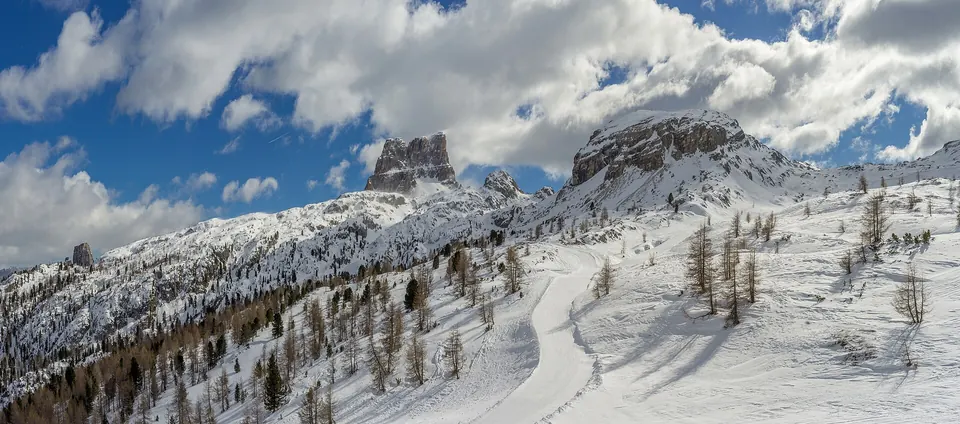
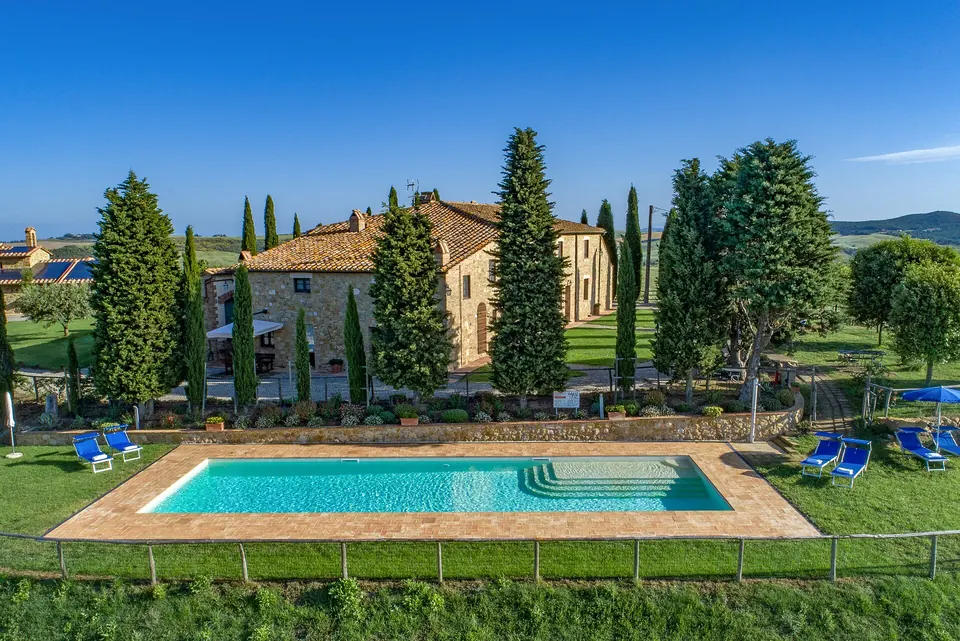
Photo : This Photo was taken by Wolfgang Moroder. Feel free to use my photos, but please mention me as the author and send me · CC BY-SA 3.0 · Wikimedia Commons
Where to go in Italy
Why Visit Italy
Few countries fit so much into such a compact area. Italy has more than 60 sites on the UNESCO World Heritage List, the highest total of any nation. But the appeal goes far beyond monuments: each region has its own cooking, dialect, scenery and rhythm.
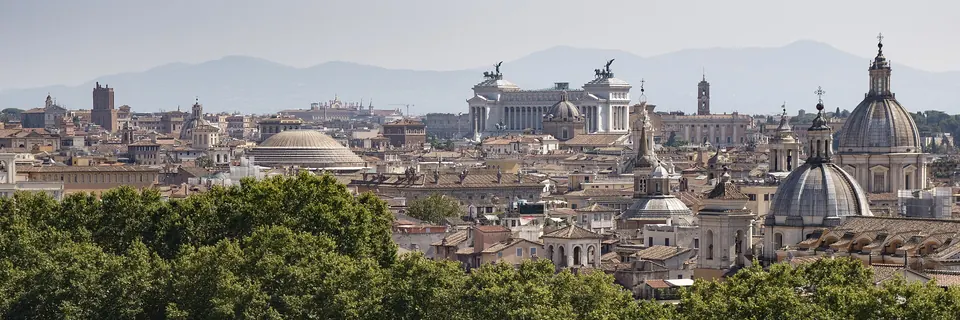
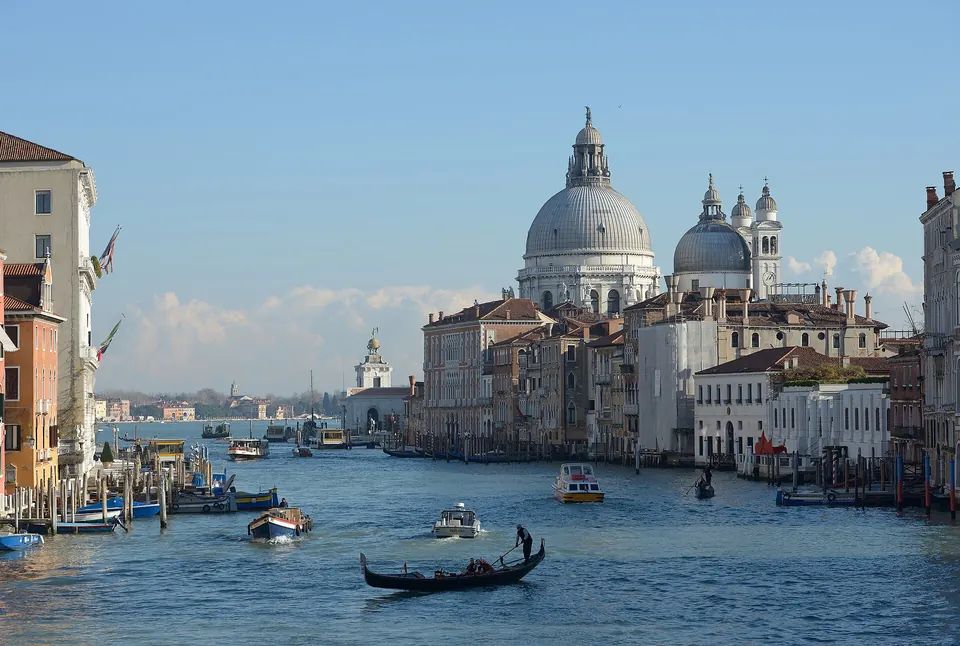
- Art cities: Rome, Florence and Venice, but also Bologna, Turin, Naples and Palermo, each deserving several days.
- Landscapes: the Dolomites, the northern lakes (Como, Garda, Maggiore), the hills of Tuscany and Umbria, the Amalfi Coast and Puglia.
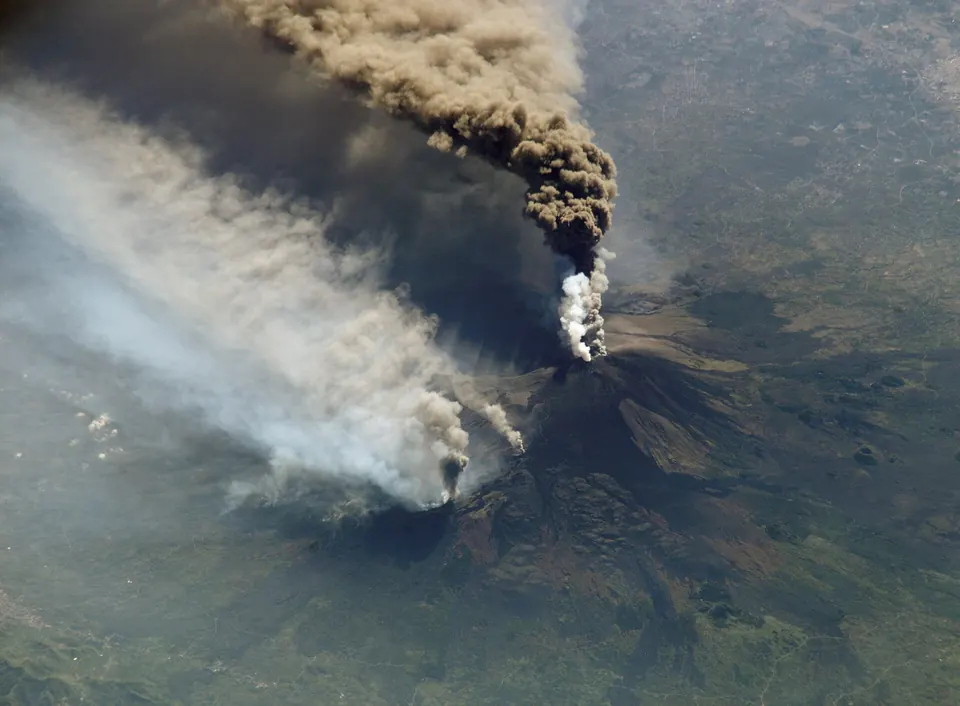
- Islands: Sicily and Sardinia, two worlds apart that warrant a holiday in their own right.
- Food: from Emilia-Romagna's pasta and charcuterie to southern seafood, Italian cooking is best discovered region by region.
This page sets out the essentials; the detailed guides below cover each city and region in depth.
When to Go to Italy
Italy runs from the Alps to the centre of the Mediterranean, so the climate differs markedly between the more continental north and the hotter, drier south and islands.
- Spring (April–June): the best all-round season for cities and countryside, with long days and no summer heat.
- Summer (July–August): peak time for beaches and mountains, but cities are hot, prices high and crowds heavy. Around 15 August (Ferragosto), many Italians take their own holidays.
- Autumn (September–October): the sea is still pleasant in the south, the grape harvest is under way and the light is soft. A very good compromise, and outside UK school holidays.
- Winter (November–March): quieter museums and lower city prices, plus skiing in the Alps and Dolomites. Many seaside resorts and small islands wind down.
How Long to Spend in Italy
With short flights from the UK, Italy lends itself to repeat visits, so there is no need to cram everything into one trip.
- A long weekend: a single city (Rome, Florence, Venice or Milan).
- One week: a classic pairing such as Rome and Florence, or one region in depth (Tuscany, Puglia, eastern Sicily).
- 10 to 14 days: the Venice–Florence–Rome triangle plus a side trip (the lakes, Cinque Terre, Naples and the Amalfi Coast).
- Three weeks or more: a north-to-south grand tour, or the mainland combined with an island.
Getting There and Getting Around
From the UK, direct flights link London and many regional airports with a wide range of Italian cities, from Milan, Venice, Pisa and Rome to Naples, Bari, Catania and Cagliari. Flying into one city and home from another avoids doubling back. Travelling overland is also possible, with Eurostar to Paris and onward trains towards northern Italy; check current timetables before planning around it.
Entry rules for British passport holders: since Brexit, you can stay in the Schengen Area visa-free for up to 90 days in any 180-day period, with time in all Schengen countries counting together. Your passport must have been issued less than 10 years before the day you arrive and be valid for at least three months after the day you plan to leave. Since 10 April 2026, the EU's Entry/Exit System (EES) records your fingerprints and photo at the border instead of a passport stamp, and the ETIAS travel authorisation is due to start in the last quarter of 2026. Always check the latest GOV.UK travel advice for Italy before you go.
Once there, rail is the most efficient way between major cities. The high-speed network links Turin, Milan, Venice, Bologna, Florence, Rome and Naples; the fastest Rome–Milan trains take about 3 hours. Trenitalia (Frecciarossa) and Italo compete on these lines, and their cheapest fares are limited, so book early. Regional trains are fixed-price.
A hire car is worthwhile for rural Tuscany, the Dolomites, Puglia, Sicily or Sardinia. Remember that Italy drives on the right, and beware of ZTLs (limited traffic zones) in historic centres: entering without a permit leads to fines that can arrive, via your hire company, long after your trip. Ferries and domestic flights serve the islands.
Budget and Local Taxes
Costs depend mainly on the season and the city. Rome, Venice, Florence, Milan and the Amalfi Coast are noticeably dearer than the interior or much of the south.
- Tourist tax: most cities levy a per-person, per-night charge, set locally and usually paid at your accommodation. In Rome it ranges from €4 (1-star hotel) to €10 (luxury hotel), for up to 10 consecutive nights.
- Venice: day visitors pay an access fee on designated days. In 2026 it applied on 60 days between 3 April and 26 July, 8.30am to 4pm, at €5 if booked at least four days ahead and €10 thereafter. Check 2027 dates on the City of Venice website.
- Eating out: a per-person coperto (cover charge) is common and shown on the menu.
- Major sights: book headline attractions (the Colosseum, the Uffizi, Leonardo's Last Supper) in advance to avoid sold-out slots.
Where to Stay: Italy by Region
| Area | Best for | Good bases |
|---|---|---|
| North-west and the lakes | Cities, lakes, mountains | Milan, Turin, Lake Como |
| North-east and Dolomites | Venice, walking, skiing | Venice, Verona, Bolzano |
| Central Italy | Art, countryside, food | Florence, Bologna, Siena, Rome |
| The south | Coastline, archaeology, whitewashed towns | Naples, Sorrento, Lecce, Bari |
| The islands | Beaches, nature, island culture | Palermo, Catania, Cagliari |
In cities, staying near a main railway station makes day trips simple; in the countryside, an agriturismo (farm stay) is an ideal base for touring by car. Our detailed guides below take each destination in turn.