What to See in Sofia: A 2 to 3 Day Itinerary for the Bulgarian Capital
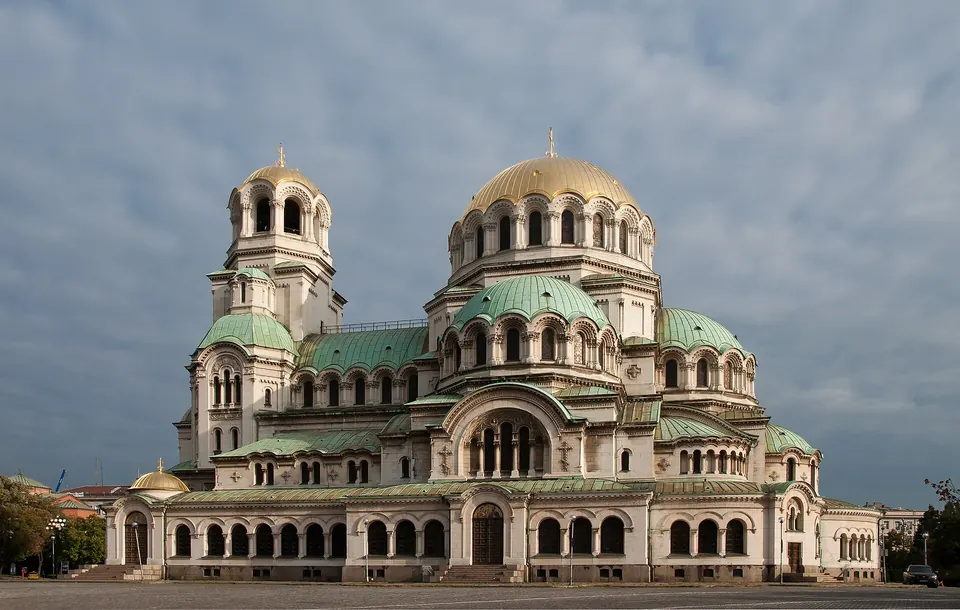
Photo : Plamen Agov (user:MrPanyGoff) · CC BY-SA 4.0 · Wikimedia Commons
To see Sofia properly, allow two full days for the historic centre, which you can cover on foot: Alexander Nevsky Cathedral and its icon crypt, the Rotunda of St George, the Roman ruins of Serdica, the Banya Bashi Mosque and the old mineral baths. A third day lets you add the UNESCO-listed Boyana Church, then either the Vitosha mountains or Rila Monastery. Bulgaria has used the euro since 1 January 2026: a metro ticket costs €0.80 (about £0.68).
Sofia is easy to visit: the historic heart fits within a small area around the Serdika and Sofiyski Universitet metro stations, and most of the major sights are free. The paid attractions (icon crypt, museums, Boyana Church) have modest prices. To place the city in a wider trip and find more of our advice, see our complete guide to Sofia.
What to do in Sofia: the historic centre highlights
Alexander Nevsky Cathedral and its icon crypt
This is the most photographed monument in the city, with its golden domes on the square of the same name. Entry to the cathedral is free; according to local guides it generally opens from 7am to 7pm, but services take place in the morning and late in the day, which can limit access to the interior. Keep a low profile and cover your shoulders and knees.
Beneath the cathedral, the crypt houses the Museum of Christian Art, a branch of the National Gallery that displays Bulgarian icons. According to the National Gallery's official website, it is open Tuesday to Sunday from 10am to 6pm (last ticket sales at 5.30pm) and closed on Mondays, Bulgarian public holidays, Christmas, New Year and Easter. A ticket costs €10 (about £8.50), or €4 (about £3.40) for students and over-65s, with a reduced rate of €2 (about £1.70) on Thursdays.
Kvadrat 500 and the Palace: the National Gallery museums
A short walk from the cathedral, Kvadrat 500 holds the National Gallery's largest art collection. The full-price ticket is €10 (about £8.50), or €4 (about £3.40) reduced, and the ticket office closes at 5.30pm. The former royal palace, on Knyaz Alexandar I Square, houses the gallery's other main branch; a combined Kvadrat 500 + Palace ticket is available for €15 (about £13).
The Rotunda of St George and the Serdica ruins
Tucked into the inner courtyard of the Presidency at 2 Dondukov Boulevard, the Rotunda of St George is a 4th-century brick church that is still in use. Entry is free; opening hours vary by source and by services, so check on site. Around it, and in the underground passages of Serdika station, you walk among the streets and foundations of Serdica, the Roman city on which Sofia was built. These open-air remains can be visited freely.
The "square of tolerance": mosque, synagogue and churches
Within a few hundred metres of each other stand the Banya Bashi Mosque, the Sofia Synagogue, the Orthodox church of Sveta Nedelya and the Catholic Cathedral of St Joseph. It is a fixture of guided tours of the centre, which often add St Sophia Church (which gave the city its name), the National Theatre and the former royal palace.
The old mineral baths and the Sofia History Museum
Sofia has more than thirty mineral springs. The large building of the Central Mineral Baths, right next to the Banya Bashi Mosque, is no longer a spa: it now houses the Sofia Regional History Museum. It is open Tuesday to Sunday from 10am to 6pm according to most guides; prices published online have diverged since the switch to the euro, so check the current price at the entrance.
Vitosha Boulevard
Pedestrianised along much of its length, Vitosha Boulevard links Sveta Nedelya church to the National Palace of Culture (NDK). It is the main strip for cafés, restaurants and shops, with Mount Vitosha on the skyline at the end of the street on clear days.
Sofia itinerary for 2 or 3 days
The centre is done on foot; the metro is mainly for the airport and for reaching the foot of Vitosha. Here is a logical split that takes into account the Monday closures at the National Gallery museums.
| Day | Morning | Afternoon |
|---|---|---|
| Day 1 | Alexander Nevsky Cathedral, St Sophia Church, icon crypt (not Monday) | Former royal palace, National Theatre, Rotunda of St George, Serdica ruins |
| Day 2 | Sveta Nedelya, Banya Bashi Mosque, synagogue, Sofia History Museum (not Monday) | Kvadrat 500, or a stroll along Vitosha Boulevard to the NDK |
| Day 3 | Boyana Church (Boyana district, at the foot of Vitosha) | Hike on Vitosha, or a day trip to Rila Monastery instead |
Boyana Church: the visit not to skip
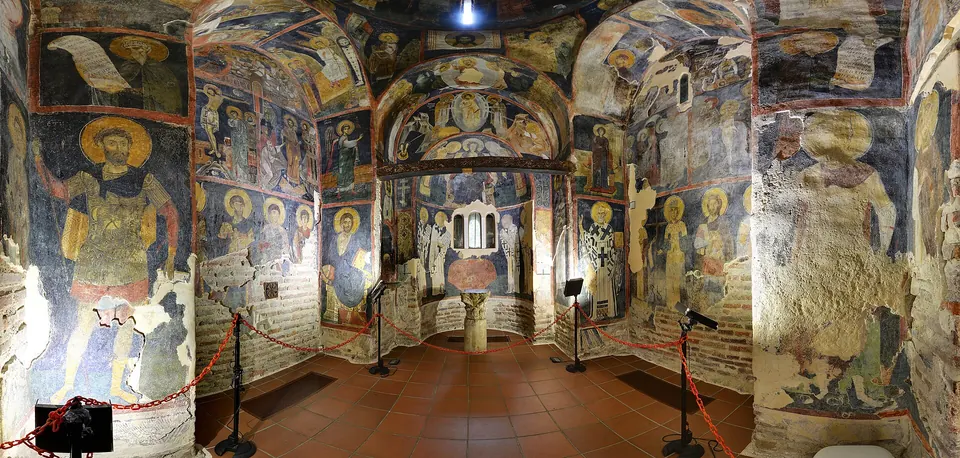
A UNESCO World Heritage site, Boyana Church preserves renowned medieval frescoes, in the Boyana district in the south-west of the city. Visits are tightly controlled. According to the official Boyana Church website:
- Hours: 9am to 5.30pm from 1 November to 31 March (last entry 5.20pm), 9.30am to 6pm from 1 April to 31 October (last entry 5.50pm). Closed on 1 January, Orthodox Easter Sunday, and 24 and 25 December.
- Prices: €10 per adult (about £8.50), €3 for students (about £2.50); guided commentary in a foreign language: €10 (about £8.50).
- Free entry: the last Monday of the month after 3pm, and on 18 May, 17 September and 1 November.
- Rules: a maximum of nine visitors at a time, ten minutes in the medieval parts, no photos or videos. Individuals and small groups of up to five people can come with or without a reservation.
The church's upper floor is currently closed for conservation; only the ground floor can be visited. Allow half a day round trip from the centre, by taxi or city bus. The National Museum of History, also in the Boyana district, combines easily with the visit; it is open every day except 1 January, Orthodox Easter Sunday, and 24 and 25 December.
Day trips from Sofia: Vitosha and Rila Monastery
The Vitosha mountains
The mountain begins at the edge of the city. By public transport, the most commonly cited route is to take the metro to Vitosha station, then bus 66 to the Aleko area, the highest point served. This bus runs more often at weekends than on weekdays. A gondola also leaves from Simeonovo, but it runs mainly at weekends and in ski season and has had extended shutdowns in the past: check that it is running before you head there.
Rila Monastery as a day trip
Bulgaria's best-known monastery can be reached by bus from the Ovcha Kupel (Zapad) bus station, in western Sofia, in two to three hours depending on the source. A same-day return trip is possible but long, with few departures: check the timetable the day before. Organised excursions from Sofia, often combined with Boyana or the St Ivan cave, are simpler. Modest clothing that covers you up is required inside the monastery.
Getting around Sofia
The metro is the most practical way for visitors to get around. According to Metro Sofia, a single ticket costs €0.80 (about £0.68) and is valid across the whole network, changes included. You can pay directly at the turnstiles with a contactless bank card, or buy tickets at station ticket offices and machines.
- From the airport: line M4 leaves from a station next to Terminal 2 and runs directly to Serdika, in the heart of the city, in roughly 20 to 30 minutes.
- From Terminal 1: a free shuttle links Terminal 1 to Terminal 2 every 20 to 40 minutes, from midnight to about 11.40pm.
- Metro hours: about 5.30am to 11.50pm on weekdays, and until about 11.30pm at weekends and on public holidays.
Practical information for planning your trip
Entry rules and money for UK travellers
UK passport holders can stay in the Schengen area for 90 days within any 180-day period without a visa. Your passport must have been issued less than 10 years before the day you enter and be valid for at least three months after you plan to leave. For the latest on entry requirements, the EES and ETIAS, check the official GOV.UK travel advice for Bulgaria before you go.
Since 1 January 2026, the currency is the euro. The conversion rate was set at 1.95583 leva to 1 euro: it will help you make sense of older leva prices still shown on some websites or in guidebooks. Ask your mobile provider about roaming charges and your bank about card fees before you travel. Bulgaria uses Type C/F plugs, so bring an adapter for UK devices.
Tourist office
Sofia's tourist information centre is in the underground passage of the Sofiyski Universitet metro station (St Kliment Ohridski University), at the crossing of Vasil Levski and Tsar Osvoboditel boulevards. It is open on weekdays from 9.30am to 6pm and hands out maps and programmes for guided tours.
Frequently asked questions
How many days do you need in Sofia?
Is Alexander Nevsky Cathedral free to enter?
How do you get from Sofia airport to the city centre?
What currency is used in Sofia?
Can you take photos inside Boyana Church?
Do UK citizens need a visa for Sofia?
Sources
- Galerie nationale – Museum of Christian Art (crypte Alexandre-Nevski)
- Galerie nationale – Kvadrat 500
- Église de Boyana – Visitors Information
- Église de Boyana – site officiel
- Metro Sofia – Metro to Sofia Airport Terminal 2
- France Diplomatie – Bulgarie, entrée et séjour
- European Parliament Think Tank – Bulgaria to adopt the euro on 1 January 2026
- Ministère bulgare du Tourisme – Sofia Tourist Information Center
- BNR – Sofia for beginners: free Saturday sightseeing tour
- Free Sofia Tour – How to get to Vitosha Mountain
- Where Goes Rose – Rila Monastery from Sofia
- GuideBG – Saint George Rotunda
- National Museum of History – Prices and working time
Facts checked against these sources on 21 November 2026.