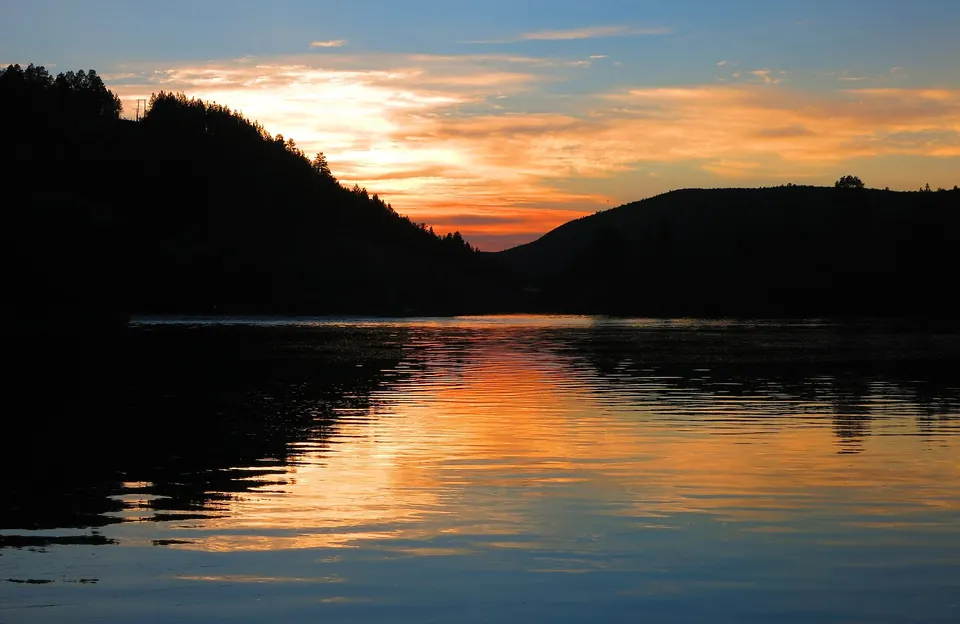
Best Time to Visit Finland: What to See and When
Photo : Maasaak · CC BY-SA 4.0 · Wikimedia Commons
For summer, lakes and the midnight sun, go from June to August. For the northern lights, the season in Lapland runs from late August to early April. February and March are the best winter compromise: deep snow, lengthening days and auroras still on show. September is ruska month, the autumn colors of the far north.
Finland looks completely different from one season to the next. Between Helsinki on the Baltic and the far north of Lapland, there are more than 1,000 km (about 620 miles) and two distinct climates. The right time to go depends on what you want to see and which region you are visiting. Before you pick dates, our guide to planning a trip to Finland helps you settle on an itinerary. This article then helps you choose the right moment.
When Is the Best Time to Go to Finland? It Depends on Your Plans
| What you want to do | Best time | Where |
|---|---|---|
| Midnight sun | Mid-May to late July in the far north; early June to early July in Rovaniemi | Lapland |
| Lakes, hiking, lakeside sauna | June to August | Lakeland, south, Lapland |
| Northern lights | Late August to early April; September-October and February-March are the best times | Lapland, northern Lakeland |
| Ruska (autumn colors) | September | Lapland |
| Christmas, polar night | December-January | Lapland (Rovaniemi, north) |
| Skiing, dog sledding, deep snow | February to early April | Lapland, east and north |
| Helsinki city break | May to September | South |
Finland's Weather Month by Month
The table below compares two cities that bracket most trips: Helsinki in the south and Rovaniemi on the Arctic Circle. Temperatures are the 1991-2020 normals from the Finnish Meteorological Institute (FMI): average of daily highs and lows. Daylight in Rovaniemi comes from the local tourist office. Actual temperatures can swing widely from year to year: in January, Visit Rovaniemi reports days between 5 and -22 °F (-15 and -30 °C).
| Month | Helsinki high / low | Rovaniemi high / low | Daylight in Rovaniemi | Worth knowing |
|---|---|---|---|---|
| January | 31 / 22 °F (-0.7 / -5.6 °C) | 19 / 8 °F (-7.3 / -13.5 °C) | 4 h | Deep cold, blue light |
| February | 30 / 21 °F (-1.3 / -6.3 °C) | 19 / 8 °F (-7.3 / -13.3 °C) | 8 h | Snow, auroras, longer days |
| March | 36 / 26 °F (2.3 / -3.6 °C) | 29 / 16 °F (-1.9 / -9.1 °C) | 12 h | Deepest snow, sunshine |
| April | 47 / 34 °F (8.1 / 1.1 °C) | 39 / 26 °F (4.1 / -3.4 °C) | 15 h | Spring skiing in the north |
| May | 58 / 44 °F (14.6 / 6.4 °C) | 52 / 37 °F (11.0 / 2.5 °C) | 19 h | Thaw in Lapland |
| June | 66 / 52 °F (18.8 / 11.2 °C) | 63 / 47 °F (17.0 / 8.5 °C) | 24 h | Midnight sun, Juhannus |
| July | 71 / 58 °F (21.9 / 14.5 °C) | 68 / 53 °F (20.1 / 11.8 °C) | 21 h | Warmest month |
| August | 69 / 56 °F (20.5 / 13.5 °C) | 63 / 49 °F (17.2 / 9.6 °C) | 17 h | Wettest month in Helsinki |
| September | 60 / 49 °F (15.4 / 9.3 °C) | 52 / 41 °F (11.1 / 4.9 °C) | 13 h | Ruska, first auroras |
| October | 49 / 40 °F (9.2 / 4.2 °C) | 38 / 30 °F (3.1 / -1.3 °C) | 9 h | Winter in Lapland from mid-October |
| November | 40 / 33 °F (4.4 / 0.4 °C) | 28 / 20 °F (-2.1 / -6.7 °C) | 7 h, then 5 h | Shoulder season, uncertain snow |
| December | 35 / 27 °F (1.4 / -2.9 °C) | 23 / 13 °F (-4.9 / -10.6 °C) | 2.5 h | Polar night, Christmas |
Sunshine shows the same contrast in the south: in Helsinki, the average goes from about 28 hours of sun in December to nearly 300 hours in June. According to the FMI, the shortest day lasts about 6 hours in southern Finland, and the longest nearly 19 hours around Midsummer.
Visiting Finland in Summer (June to August)
This is the easiest season for a first visit: mild temperatures, thawed lakes, hiking everywhere and very bright nights. According to the FMI, thermal summer (daily average above 50 °F / 10 °C) begins in late May in the south and lasts until mid-September. In Lapland, it starts about a month later and ends a month earlier.
The Midnight Sun: Dates and Places
North of the Arctic Circle, the sun stays above the horizon for several weeks. The length depends on latitude:
- Utsjoki, the northernmost village: roughly May 16 to July 27, according to the official ThisisFINLAND site. The FMI counts 73 days of midnight sun in the far north.
- Rovaniemi: early June to early July, about a month. According to Visit Rovaniemi, nights stay bright from late May into August.
- Helsinki and the south: no midnight sun, but days of nearly 19 hours in late June.
Dates vary by a day or two from year to year, and terrain can hide the sun even when it is above the horizon.
Juhannus, the Midsummer Festival
Juhannus is the big celebration of the Finnish summer. In 2027, Midsummer Eve (juhannusaatto) falls on Friday, June 25 and Midsummer Day on Saturday, June 26. If you spend that weekend in a city, check opening hours for museums, shops and restaurants.
In Helsinki, late summer is also the cultural season: the Helsinki Festival, the capital's multi-arts festival, is scheduled for August 19 to September 4, 2027, according to its organizers. August is, however, the wettest month in Helsinki (81 mm, about 3.2 in, on average), so bring rain gear.
Visiting Finland in Fall: Ruska and the First Auroras
September is often the best month in Lapland for nature lovers. The insects are gone, trails are dry and the tundra turns red and gold: this is ruska. According to Metsähallitus, colors appear in the far north from the first half of September, then move south:
- Kilpisjärvi, Pallas-Yllästunturi, Utsjoki: weeks 36 to 38, or roughly September 6 to 26 in 2027;
- Urho Kekkonen National Park (Saariselkä): weeks 37 to 39;
- Koillismaa (Oulanka, Hossa, Syöte, Riisitunturi): weeks 37 to 40.
The peak of the colors is hard to predict. Visit Rovaniemi simply says September offers the best chances.
This is also when the northern lights return. In late August and September the lakes are not yet frozen: according to Visit Finland, they often mirror the sky, creating "double auroras." In October and November, aurora activity is statistically among the strongest and the nights are long. The weather becomes less stable, though.
Visiting Finland in Winter: Polar Night, Christmas and Auroras
In Lapland, winter starts early: according to the FMI, the daily average temperature drops below 32 °F (0 °C) by mid-October and stays there for about 200 days. In the southwest, winter lasts about 100 days. Lakes freeze in late November or early December.
December and January: Kaamos
North of the Arctic Circle, the sun stays below the horizon for a period that reaches 51 days in the far north (FMI). This is the kaamos, the polar night. It is not completely dark: around midday, a bluish light lights up the snow for a few hours. In Rovaniemi, Visit Rovaniemi counts about 2 hours 30 minutes of daylight on average in December.
Visit Finland says this is the most in-demand period in Lapland, especially around Christmas. Rovaniemi, presented as Santa Claus's official hometown, is hugely popular then. For a Christmas trip, book flights, accommodation and activities (snowmobiling, reindeer, huskies) as early as possible.
February and March: The Best Compromise
For a first taste of Lapland in winter, February and March are often more enjoyable than December. Days lengthen fast: 8 hours of daylight in Rovaniemi in February, 12 hours in March. Snow reaches its maximum depth around mid-March, with 24 to 35 in (60 to 90 cm) in the east and north according to the FMI. Auroras stay frequent as the spring equinox approaches. It is still cold (an average high of about 19 °F / -7 °C in Rovaniemi in February), but there is enough light to enjoy daytime activities.
In late March and April, the snow hardens in the north, which allows long-distance ski touring. According to Metsähallitus, this generally starts around mid-April, and good snow lasts until about mid-May.
Where and When to See the Northern Lights in Finland
According to Visit Finland, the season runs from late August to early April in Lapland and northern Lakeland. In fall and spring, you can see them on about every other clear night. What matters most is a clear sky: check both the weather and the aurora forecast (Kp index). In northern Lapland, a Kp of 1 or 2 can be enough. The farther south you go, the stronger the activity needs to be. By mid-April, the chances drop sharply. From May to July, nights are too bright to see auroras.
- Late August-September: reflections on the lakes, mild temperatures.
- October-November: strong activity, but more cloud and little snow early on.
- December-January: longest nights, deep cold, heavy demand.
- February-March: snow, often colder and drier skies, good chances.
When to Avoid Going to Finland
Two transition periods call for more flexibility:
- Late May in Lapland: according to Metsähallitus, this is often the hardest time for both skiing and walking. Snow melts, trails are soaked and spring floods last from mid-May to mid-June. Lapland's lakes only thaw in June. The south, meanwhile, is already in spring: May is a good month for Helsinki and the archipelago.
- November: it is already dark, but snow is not always there. In recent years, lasting snow cover has sometimes arrived only in December. Auroras remain active, but do not count on a guaranteed white landscape or reliable snow activities.
When to Visit Helsinki and Southern Finland
The south coast's climate is much milder than Lapland's. The average January temperature in Helsinki is 26 °F (-3.1 °C), against 14 °F (-10.3 °C) in Rovaniemi. For sightseeing, café terraces, islands like Suomenlinna and public seaside saunas, the most pleasant period runs from May to September. June and July are the sunniest months, with highs around 66 to 72 °F (19 to 22 °C). Winter in Helsinki is gray and dark rather than very snowy: snow reaches 8 to 12 in (20 to 30 cm) at best, according to the FMI. If you dream of big white landscapes, head north.
A classic compromise is to travel in February or March, with a few days in Helsinki and then Lapland by night train or plane. That way you combine the city and the full winter experience. In summer, you can pair Helsinki, Lakeland and the midnight sun in Lapland.
To follow the weather or browse climate statistics before you leave, the Finnish Meteorological Institute site details the seasons. For auroras, see Visit Finland's page on the best times to see them. For hikers, Metsähallitus's calendar of hiking conditions gives snow cover, insects and ruska park by park.
Frequently asked questions
What is the best month to visit Finland?
When can you see the northern lights in Finland?
When is the midnight sun in Finland?
Is Lapland very cold in winter?
Are there mosquitoes in Finland in summer?
Sources
- Visit Finland – Best times to see the Northern Lights in Finland
- Finnish Meteorological Institute – Seasons in Finland
- Metsähallitus (Luontoon.fi) – Seasonal cycle of hiking conditions in northern Finland
- Visit Rovaniemi – Discover Rovaniemi Through the Arctic Seasons
- Visit Rovaniemi – Midnight Sun
- ThisisFINLAND – Night hiking in the Finnish Land of the Midnight Sun
- Wikipedia – Helsinki (normales climatiques FMI 1991-2020, Kaisaniemi)
- Wikipedia – Rovaniemi (normales climatiques FMI 1991-2020)
- Helsinki Festival – annonce des dates 2027
- Office Holidays – Midsummer Eve in Finland 2027
Facts checked against these sources on November 15, 2026.