10 Days in Sicily: Full Itinerary from Palermo to Taormina, by Car or Train
Photo : Benjamin Smith · CC BY-SA 4.0 · Wikimedia Commons
In 10 days you can cover Sicily's major sights: Palermo and Monreale, Cefalù, the Valley of the Temples in Agrigento, the Baroque towns of the Val di Noto, Syracuse, Mount Etna and Taormina. The most efficient plan is to fly into Palermo, fly out of Catania and rent a car from day 4. Without a car the trip still works by combining trains and buses, as long as you skip the island's interior.
Ten days is enough to cross Sicily from west to east without spending every day on the road. One week forces a choice between the west and the southeast, while ten days let you link the island's three main regions: the north coast around Palermo, the south coast with Agrigento and the Baroque southeast corner, then the Ionian coast with Syracuse, Etna and Taormina. For an overview of the island, its regions and its seasons, start with our guide to visiting Sicily.
Visiting Sicily in 10 days: how the itinerary works
The itinerary below is a one-way route: you arrive in Palermo and leave from Catania (Fontanarossa airport), so you never backtrack. It has five overnight bases, which keeps hotel changes to a minimum:
- Palermo (3 nights), without a car: the historic center is explored on foot and traffic is restricted;
- Agrigento (1 night), for the Valley of the Temples;
- Ragusa or Noto (2 nights), for the Baroque towns of the Val di Noto;
- Syracuse (2 nights), on or near the island of Ortigia;
- Taormina or nearby (2 nights), with Etna on the way.
If you only have seven days, the shorter version is in our article on what to do in Sicily in one week. The three extra days here add Cefalù, the Baroque interior (Ragusa, Modica) and a proper day on Etna.
10-day Sicily itinerary, day by day
| Day | Plan | Overnight |
|---|---|---|
| 1 | Arrive in Palermo: Quattro Canti, cathedral, Ballarò market | Palermo |
| 2 | Norman Palace and Palatine Chapel, Martorana, San Cataldo; afternoon in Monreale | Palermo |
| 3 | Day trip by train to Cefalù: Norman cathedral, old town, beach | Palermo |
| 4 | Pick up the car, drive to Agrigento; Valley of the Temples late in the day | Agrigento |
| 5 | Drive southeast (option: Roman Villa del Casale at Piazza Armerina); evening in Ragusa Ibla | Ragusa or Noto |
| 6 | Modica and Scicli, then back to Ragusa or settle in Noto | Ragusa or Noto |
| 7 | Noto in the morning, then Syracuse; first evening in Ortigia | Syracuse |
| 8 | Neapolis Archaeological Park, then Ortigia (cathedral, Arethusa Fountain) | Syracuse |
| 9 | Etna from the south side (cable car), then drive to Taormina | Taormina |
| 10 | Taormina: ancient theater, Corso Umberto; fly home from Catania airport | — |
Days 1 to 3: Palermo, Monreale and Cefalù
Palermo holds most of the Arab-Norman heritage that UNESCO listed in 2015. The listing groups nine monuments: the Royal Palace (Norman Palace) with its Palatine Chapel, La Zisa, San Giovanni degli Eremiti, La Martorana, San Cataldo, the Admiral's Bridge and Palermo Cathedral, plus the cathedrals of Monreale and Cefalù. Days 2 and 3 let you see almost all of them.
Start day 2 at the Norman Palace to see the Palatine Chapel, covered entirely in mosaics. Its hours are shorter on Sundays and public holidays, so check them on the website of the Fondazione Federico II, which runs the monument and sells tickets online. In the afternoon, head up to Monreale: bus 389 leaves from Piazza Indipendenza and takes about 30 minutes. Trenitalia also sells a combined train and AST bus ticket to the Duomo di Monreale. The cloister has a separate ticket from the cathedral.
On day 3, Cefalù is under an hour from Palermo by regional train, with about twenty direct trains a day. Since this day is car-free, pick up your rental car only on the morning of day 4.
Days 4 and 5: Agrigento and the road to the southeast
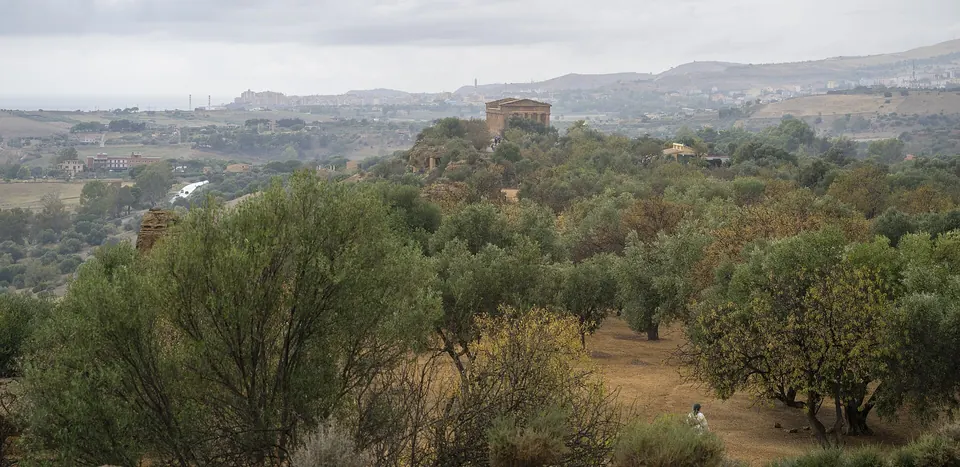
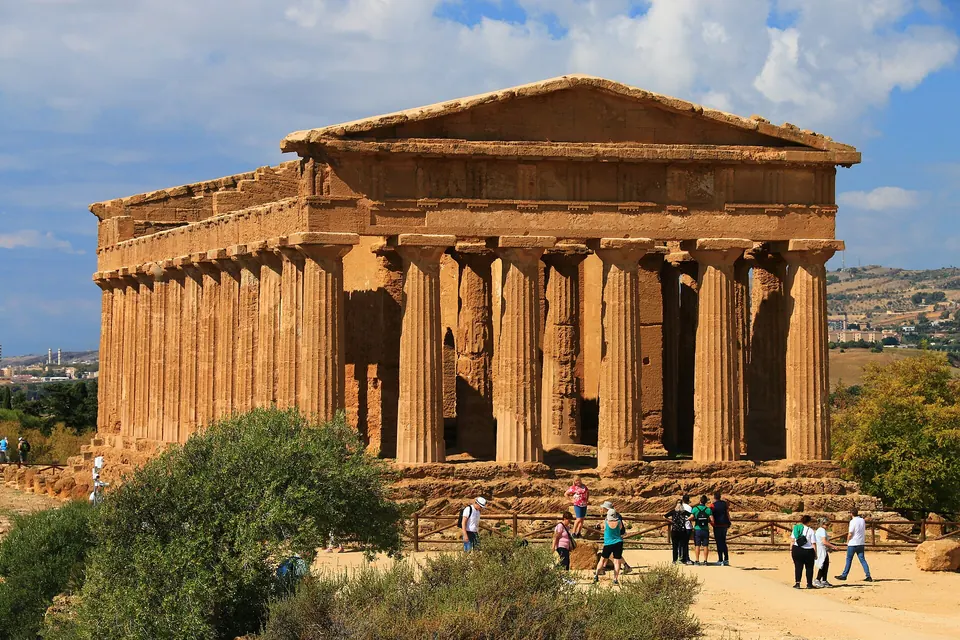
Allow about two hours for the drive from Palermo to Agrigento. The direct regional train also takes about two hours. The Valley of the Temples opens at 8:30 a.m., and the park's official website lists evening openings from June 20 to September 20. In summer, visiting late in the day avoids the hottest hours and lets you see the temples at sunset. The park sells tickets through CoopCulture. Prices vary widely between reseller sites, so rely only on the official ticket office.
On day 5, the drive to Ragusa takes up a good part of the day. It can include a stop at the Roman Villa del Casale near Piazza Armerina, known for its mosaics. If you would rather drive less, go straight to Ragusa and spend the late afternoon exploring Ibla, the lower town.
Days 6 and 7: the Baroque Val di Noto
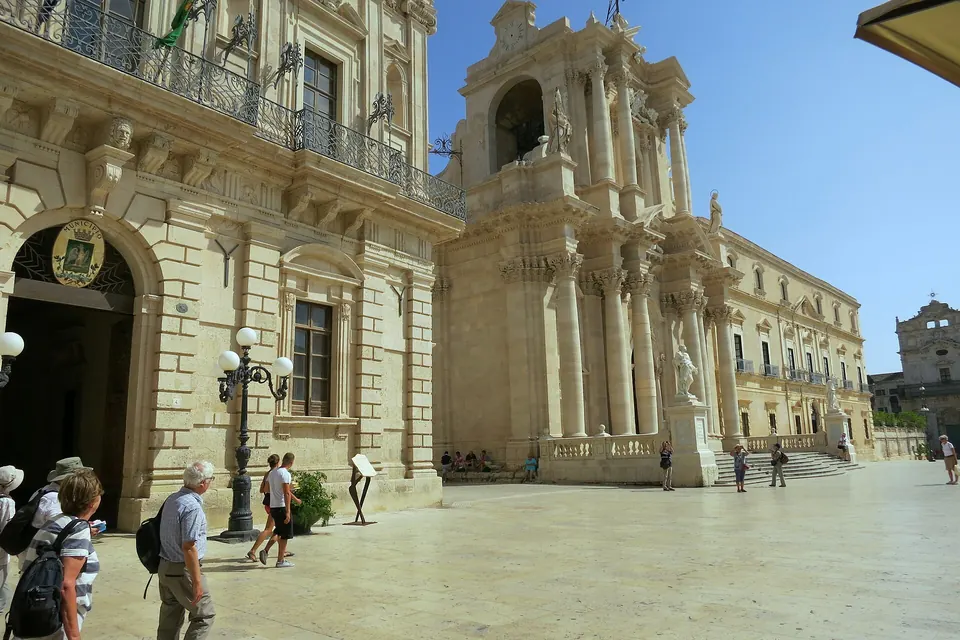
The earthquake of January 1693 destroyed some sixty towns in the southeast of the island. The towns rebuilt afterward now form the UNESCO site "Late Baroque Towns of the Val di Noto," listed in 2002. It includes eight municipalities: Caltagirone, Militello in Val di Catania, Catania, Modica, Noto, Palazzolo Acreide, Ragusa and Scicli. With a car, you can see Ragusa, Modica and Scicli on day 6, then Noto on the morning of day 7 before continuing to Syracuse. These towns are built on slopes and have pedestrian centers. Park on the outskirts and finish on foot.
Days 7 and 8: Syracuse and Ortigia
In Syracuse, the Neapolis Archaeological Park brings together the Greek theater and the Ear of Dionysius. Published opening hours differ from one source to another and change with the season. Go in the morning and confirm the closing time the day before. The rest of your stay is spent on the island of Ortigia: the cathedral built inside a Greek temple, Piazza del Duomo, the Arethusa Fountain and the waterfront.
Days 9 and 10: Etna and Taormina
On Etna's south side, the Etna cable car climbs from 6,300 ft to 8,200 ft (1,920 to 2,500 m). 4x4 minibuses with volcanological guides then continue to nearly 9,800 ft (3,000 m). The summit of the volcano reaches 11,165 ft (3,403 m). Access to the summit craters depends on volcanic activity and is only possible with a guide. They can stay closed for weeks at a time, as they did in summer 2026. Check the volcano's status the day before and bring warm clothing, even in summer. Right next to the cable car station, the Silvestri craters are a more accessible goal for a half day.
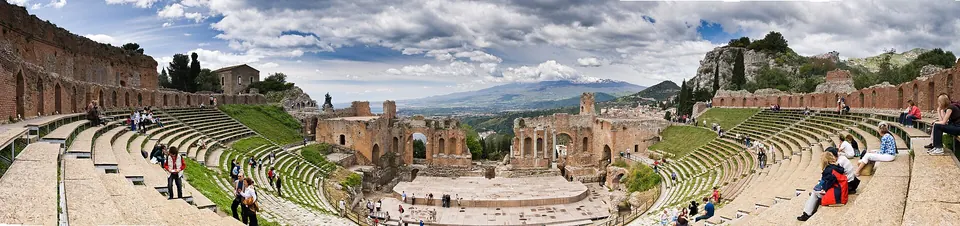
Taormina lies north of Etna. The Lumbi parking lot at the town's northern entrance is linked to the center by a free shuttle. Use it rather than hunting for a space on the narrow central streets. On day 10, visit the ancient theater in the morning. The site is run by the Naxos Taormina archaeological park and its hours are shorter in winter. Leave Taormina in early afternoon to return the car and catch your flight in Catania.
What to do in Sicily in 10 days without a car
Without a car, it is better to keep Palermo as your base for longer and avoid the island's interior. The Val di Noto, the Villa del Casale and Etna are the hardest stops to reach by public transport. Here is an adapted version:
- Days 1 to 4 in Palermo, with Monreale by bus, Cefalù by train and Agrigento as a day trip (about 2 hours each way by train).
- Day 5: SAIS coach from Palermo to Catania, about 2 hours 30 minutes, and a night in Catania, which is also part of the UNESCO Baroque site.
- Day 6: Etna by AST bus from Catania. There is only one departure in the morning and one return in the afternoon, so check the schedule and off-season service on the AST website. Otherwise, book a tour with hotel pickup.
- Days 7 and 8: Syracuse by train from Catania (about 1 hour 5 minutes to 1 hour 30 minutes), with one day for Noto.
- Days 9 and 10: Taormina by train, changing at Catania, then your flight home from Catania.
| Route | Mode | Approximate time |
|---|---|---|
| Palermo – Cefalù | Direct regional train | 40 min to 1 h 05 |
| Palermo – Agrigento | Direct regional train | About 2 h |
| Palermo – Catania | SAIS coach | About 2 h 30 |
| Catania – Syracuse | Regional train | 1 h 05 to 1 h 30 |
| Milazzo – Lipari | Direct Liberty Lines hydrofoil | About 1 h |
These times come from the schedules published at the time of writing. They change with the service and with track work: RFI, for example, changed some trains on the Agrigento–Palermo line in November 2026. Check your journey on Trenitalia or on the SAIS site for the Catania–Palermo line before you go.
Can you add the Aeolian Islands to 10 days in Sicily?
It is possible, but you have to cut two days from the plan. Lipari is about an hour from Milazzo by direct hydrofoil. Crossings that stop at other islands on the way take 2 hours 30 minutes to over 3 hours. The simplest option is to replace Cefalù and one of the two nights in the Val di Noto with two nights on Lipari, between Palermo and Taormina. A single night on the archipelago is not worth the trip, and in winter rough seas can cancel crossings.
Best time for 10 days in Sicily
In Palermo, the average air temperature runs from about 54°F (12°C) in February to about 81°F (27°C) in August. The sea lags behind: about 64°F (18°C) in May, 72°F (22°C) in June, 79 to 81°F (26 to 27°C) in July and August, 77°F (25°C) in September, 73°F (23°C) in October and 68°F (20°C) in November. For a trip that combines sightseeing and swimming, June, September and early October are the best compromise. In July and August, the heat makes archaeological sites hard to visit in the middle of the day, so go early in the morning or in the evening when you can. In winter, sites stay open but hours are shorter. Ferry and hydrofoil services to the islands are reduced, and snow can close the roads on Etna.
Practical tips for planning the trip
- Car rental: pick it up in Palermo on day 4 and return it at Catania airport. One-way fees for dropping off in a different city vary by company, so compare them when you book.
- Tickets: buy entry tickets from the official ticket offices (CoopCulture for Agrigento, Fondazione Federico II for the Norman Palace). Resellers often show higher or outdated prices.
- Pace: do the big archaeological sites in the morning and the historic centers late in the day, when they fill up.
- Surprises: on Etna, if the cable car operator closes the lift because of volcanic activity, you may not get a refund. Keep day 9 flexible.
For US travelers: entry, flights and plugs
US citizens can stay in the Schengen Area for up to 90 days in any 180-day period without a visa. Check the official ETIAS page before you book to see whether travel authorization applies to your dates. This route suits an open-jaw (multi-city) ticket: search for flights into Palermo and home from Catania rather than a round trip, and compare prices both ways. Italy uses Type C and F plugs, so bring an adapter. You drive on the right in Sicily, as at home. Check your phone plan's international roaming options before you leave.
Frequently asked questions
Is 10 days in Sicily enough?
Do you need a car for 10 days in Sicily?
Which airport should you fly into for 10 days in Sicily?
Can you climb to the top of Etna?
Sources
- Parco Valle dei Templi – Orari
- Parco Valle dei Templi – Biglietti
- Funivia dell'Etna – site officiel
- Trenitalia – Treno + bus Duomo di Monreale
- SAIS Autolinee – Bus Catania-Palermo
- RFI – Avviso linea Agrigento C.le – Palermo Aeroporto (novembre 2026)
- UNESCO – Décision d'inscription de Palerme arabo-normande (2015)
- Ministero della Cultura – Late Baroque Towns of the Val di Noto
- La Sicilia in Rete – Fiche UNESCO des villes baroques du Val di Noto
- Weather2Travel – Sicily weather by month
- Climates to Travel – Palermo climate
- Fleet Magazine – ZTL Palermo : horaires, règles et pass
- QdS – Siracusa, nuova ZTL Ortigia, parcheggio via Elorina
- Accessibilità centri storici – Parcheggio Taormina
- Bluekeys – Etna da Taormina: fin dove si può salire
- Comune di Palermo – Orari siti turistici (PDF, octobre 2025)
- Omio – Treni Palermo-Cefalù
- Ferryhopper – Traghetto Milazzo-Lipari
Facts checked against these sources on November 9, 2026.