Visiting Wales: What to See, How Many Days and How to Plan
Photo : mattbuck (category) · CC BY-SA 3.0 · Wikimedia Commons
To visit Wales, plan five to seven days. That is enough time for Cardiff and its castles, the Pembrokeshire coast and, in the north, the Eryri (Snowdonia) mountains and the UNESCO-listed fortresses of Edward I. From London, a direct train reaches Cardiff in under two hours. Travelling within the UK, you need no passport or ETA; visitors from abroad need both.
Visiting Wales: What to Know Before You Go
Wales is one of the four nations of the United Kingdom, to the west of England. It packs three big kinds of sightseeing into a small area. The first is medieval castles. The second is three national parks: Eryri, Bannau Brycheiniog and the Pembrokeshire Coast. The third is a coastline you can follow on foot from one end to the other. If you are planning a wider trip, our guide to travelling in the United Kingdom covers the other regions and the practical basics.
Welsh is an official language and you will see it everywhere: bilingual road signs, place names, station announcements. Since 2023 the national park authority has favoured the Welsh names. Snowdonia is now Eryri, and Mount Snowdon is Yr Wyddfa. The Brecon Beacons have become Bannau Brycheiniog. Both names refer to the same places, and you will find both on maps and in bookings.
What to See in Wales: Highlights by Region
Cardiff and the south-east: castle, free museums and abbeys
The capital is the natural gateway when you arrive from London. Cardiff Castle, right in the centre, belongs to the city and not to Cadw, the Welsh public heritage body. That means it is not included in the Cadw Explorer Pass. The official site lists an adult ticket at £16. From March to October it opens at 10am on weekdays and 9am at weekends, with last entry at 5pm. On some concert days access is restricted, so check before you go.
Amgueddfa Cymru (Museum Wales) runs seven national museums, which have been free to enter since 2001. Around Cardiff you can visit National Museum Cardiff and St Fagans, an open-air history museum. Farther north is Big Pit, a former coal mine at Blaenavon. The underground tour at Big Pit is, however, charged separately, and some temporary exhibitions also cost money. The same region has several Cadw sites: Castell Coch, Caerphilly Castle, Chepstow Castle, Tintern Abbey and the Roman baths at Caerleon.
Bannau Brycheiniog (Brecon Beacons)
Created in 1957, this national park of hills and moorland lies north of Cardiff. You can spend a day walking there from the capital. Together with Eryri and the Elan Valley, it is one of Wales's protected Dark Sky areas. For stargazing, book accommodation inside the park rather than in town.
Pembrokeshire: cliffs, St Davids and the coast path
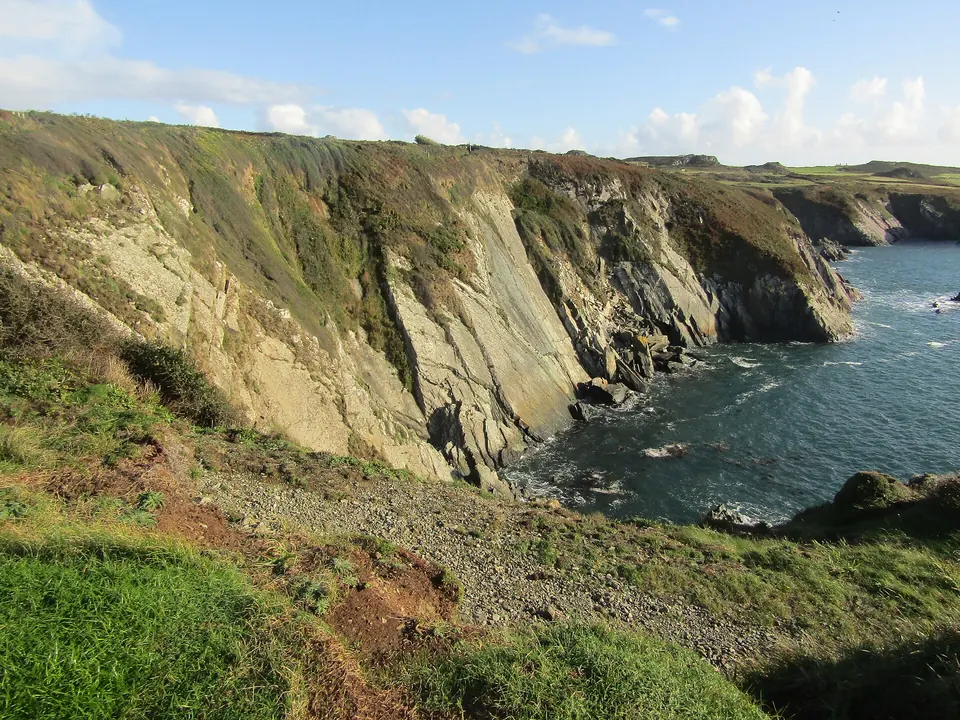
In the far south-west, the Pembrokeshire Coast National Park (1952) is mostly shoreline. Its long-distance trail, opened in 1970, runs along the coast for about 300 km (about 186 miles). It is now part of the Wales Coast Path, which follows the whole Welsh coastline for 1,400 km (about 870 miles). You do not need to walk all of it: one or two day sections are enough to see the cliffs. In St Davids, the ruined Bishop's Palace is run by Cadw and included in the Explorer Pass.
The north: Eryri, Yr Wyddfa and Edward I's castles
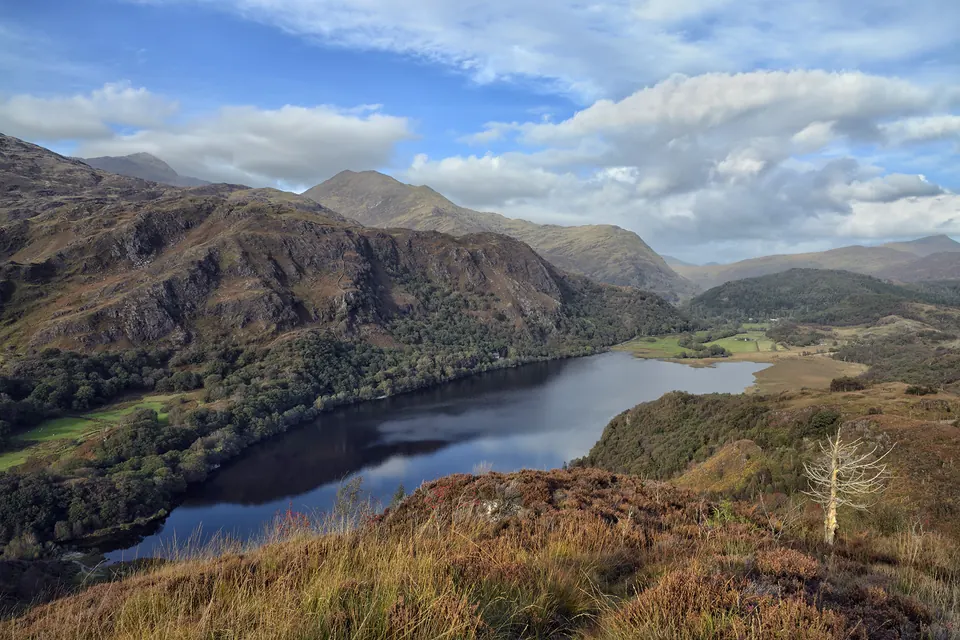
The north-west has the best-known sights. Eryri National Park, created in 1951, is the oldest in the country. It is dominated by Yr Wyddfa (1,085m, or 3,560ft), the highest peak in Wales and higher than any mountain in England. To get up without hiking, take the Snowdon Mountain Railway, a rack railway that leaves from Llanberis. The round trip to the summit takes about 2 hours 30 minutes, including a 30-minute stop at the top. The first departure is at 9am, then a train leaves about every 30 minutes depending on demand.
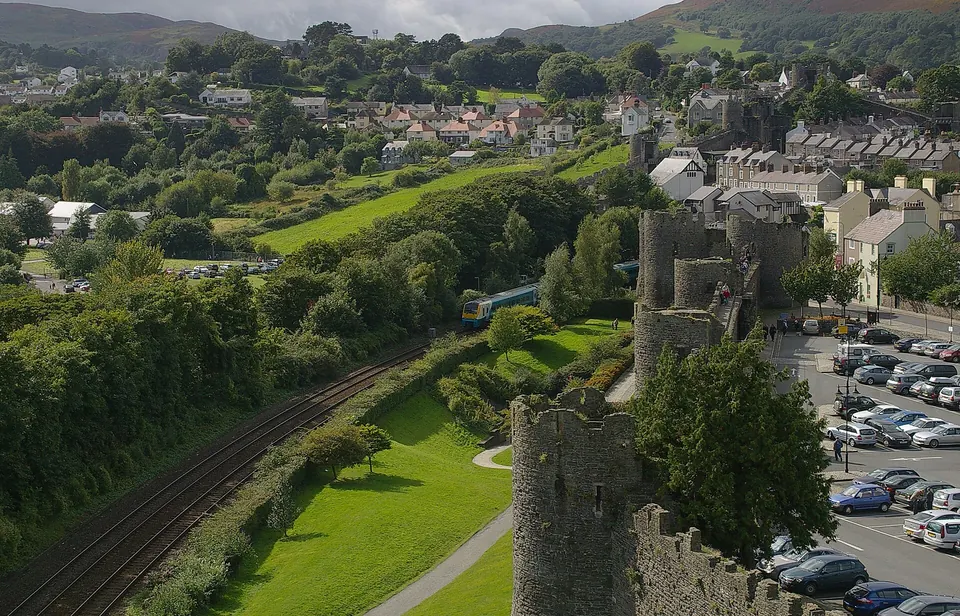
Four fortresses built by Edward I have been listed together as a UNESCO World Heritage Site since 1986. They are the castles of Conwy, Caernarfon, Harlech and Beaumaris, the last on the island of Anglesey. The town walls of Conwy and Caernarfon are part of the listing. UNESCO describes them as the finest examples of late 13th- and early 14th-century military architecture in Europe. In Conwy, the Elizabethan house of Plas Mawr can be visited right after the castle. Also in Llanberis, the National Slate Museum, devoted to slate, is one of the free national museums.
On prices, the 2027 fares published by the operator start at around £37 for an adult return by diesel, depending on the day. The steam return costs £63 outside peak periods. An online booking fee of £4 is added to each order. Check the Snowdon Mountain Railway timetable and fares page before you set your day.
How Many Days in Wales? A 7-Day Itinerary
North and south are far apart, and mountain roads slow the journey. In a week you can do a south–west–north loop without rushing. With only three or four days, pick one half: Cardiff and the south, or Eryri and its castles.
| Day | Stop | What to see |
|---|---|---|
| 1 | Cardiff | Cardiff Castle, National Museum Cardiff (free) |
| 2 | Around Cardiff | St Fagans (free), Castell Coch, Caerphilly Castle |
| 3 | Bannau Brycheiniog | Walking in the park, Big Pit at Blaenavon |
| 4 | Pembrokeshire | St Davids and its Bishop's Palace, one stage of the coast path |
| 5 | Heading north | Harlech Castle |
| 6 | Eryri | Snowdon Mountain Railway from Llanberis, National Slate Museum |
| 7 | North coast | Caernarfon and Conwy castles, Plas Mawr; Beaumaris optional |
Welsh Castles: Is the Cadw Explorer Pass Worth It?
Cadw runs most of the country's major historic sites: Conwy, Caernarfon, Harlech, Beaumaris, Caerphilly, Castell Coch, Tintern, Chepstow, the Bishop's Palace at St Davids and more. The Explorer Pass gives access to all of them. The 3-day pass is used on any three days within a 7-day period. The 7-day pass is used on any seven days within a 14-day period. It is non-refundable.
| Pass (prices from 1 April 2026) | 1 adult | 2 adults | Family* |
|---|---|---|---|
| 3 days | £28 | £42 | £67.20 |
| 7 days | £42 | £63 | £78.50 |
*2 adults and up to 3 children or grandchildren under 18. You can buy the pass at participating sites or on the official Cadw Explorer Pass page. It pays off as soon as you string together several castles in the north, where four UNESCO sites are close to one another. If you do not buy a pass, Cadw gives a 5% discount on tickets bought online, which are non-refundable. In winter some sites close: Rhuddlan and Laugharne from November to March, Plas Mawr from November to February.
How to Get Around Wales
Trains link the towns and coasts well. For a multi-day itinerary, Transport for Wales sells the Explore Wales Pass: £169 for an adult and £84.50 for a child (fare valid until 28 February 2027). It gives four days of unlimited train travel within an eight-day period. It also covers buses on the main networks, including most TrawsCymru routes, during the eight days. You can get it in the app, on the website, at the ticket office or from the conductor. Details are on the official Transport for Wales page.
For the national parks, walking trailheads and the small villages of Pembrokeshire, a car gives more freedom. You drive on the left, as at home. Roads in Eryri are often narrow, so allow plenty of time between stops.
Getting to Wales from London and the Rest of the UK
The simplest route is through London. From Paddington station, direct Great Western Railway trains reach Cardiff Central from about 1 hour 45 minutes, a little more depending on the timetable and the weekend. For the north of Wales, going through the north-west of England brings you closer to Conwy and Eryri.
If you are coming from the Continent, the fastest Eurostar trains link Paris and London in 2 hours 16 minutes. Direct flights from continental Europe to Cardiff are rare. Air France chartered special Paris–Cardiff flights in February 2026 for the Six Nations tournament. Check current schedules before counting on a direct flight.
Entry Rules: Passport and ETA for Visitors
If you live in the UK, you are travelling within your own country: no passport check and no ETA. For friends or family visiting from abroad, the rules are different. Visitors need a valid passport, since an ID card is no longer enough to enter the UK. Most also need an electronic travel authorisation (ETA). It costs £20 since 8 April 2026 and must be obtained for every traveller, babies and children included. It allows tourist stays of up to six months. It is valid for two years for multiple entries, but it is tied to your passport: if you change passport, you need a new ETA.
A UK Trip: Combining England and Wales
Many travellers first look at what to see in England, then add Wales to their holiday. Crossing from one country to the other involves no formalities, since it is the same state, with the same currency, the pound sterling. Two combinations make sense:
- London + southern Wales: a few days in London, then the direct train from Paddington to Cardiff, Bannau Brycheiniog and Pembrokeshire.
- North-west England + northern Wales: enter through north-west England to reach Conwy, Eryri and Anglesey.
To choose the English stops on your itinerary, see the regions presented in our United Kingdom guide.
When to Visit Wales
Sightseeing depends mostly on site calendars. From April to October the Snowdon train runs and sites stay open longer. For example, Conwy opens from 9.30am to 5pm from March to June and until 6pm in July and August. The visitor centre at the summit of Yr Wyddfa is open only from May to October, weather permitting. Winter suits cities, museums and a few castles, but some sites are closed.
If you travel in spring 2027 or later, one budget point: Wales has created a tourist tax (visitor levy), which each local authority can decide to apply. Cardiff will be the first, from 1 April 2027. The amount will be £1.30 per person per night for most accommodation, and 75 pence for camping or hostel dorms. Other counties can only apply it on 1 April or 1 October, after twelve months' notice.
Frequently asked questions
How many days do you need in Wales?
Do I need a passport to visit Wales?
Are museums in Wales free?
How do you get from London to Wales?
Can you take a train to the top of Snowdon?
Sources
- GOV.UK – Apply for an electronic travel authorisation (ETA)
- Info.gouv.fr – ETA : tout savoir sur la nouvelle autorisation électronique de voyage au Royaume-Uni
- Service-Public.fr – Hausse du prix de l'ETA pour le Royaume-Uni
- Diplomatie.gouv.fr – Royaume-Uni, conseils aux voyageurs : entrée et séjour
- Snowdon Mountain Railway – Times and prices (FAQ)
- Cadw – Explorer Pass 3 & 7 day
- Cadw – Conwy Castle
- Cardiff Castle – Times & prices
- UNESCO – Castles and Town Walls of King Edward in Gwynedd
- Wales Coast Path – About the path
- Visit Wales – National parks
- Wales.com – Wales' seven national museums
- Transport for Wales – Explore Wales Pass
- Eurostar – Our company
- Trainline – London Paddington to Cardiff Central
- Wales247 – Air France releases full timetable for Cardiff–Paris flights
- Welsh Government – Visitor Levy in Wales
- Cardiff Council – Visitor Levy
Facts checked against these sources on 9 November 2026.